How Air Conditioning Systems Cool Your Home: Understanding Home Cooling and Energy Efficiency
Air conditioning systems play a crucial role in maintaining comfortable indoor environments, especially during hot weather. Understanding how these systems work can help homeowners make informed decisions about their cooling needs and energy efficiency. This article will explore the mechanisms behind air conditioning, the key components involved, and the latest energy-efficient technologies available. Many homeowners face challenges with cooling efficiency and rising energy costs, but by understanding the cooling process, they can optimize their systems for better performance. We will cover the operation of air conditioning systems, the best energy-efficient technologies, maintenance tips, and available HVAC services in Michigan.
How Does an Air Conditioning System Work to Cool Your Home?
An air conditioning system cools your home by removing heat and humidity from the indoor air, creating a comfortable environment. The cooling process involves a cycle of evaporation and condensation, facilitated by refrigerants that absorb and release heat. This mechanism not only cools the air but also helps maintain indoor air quality by reducing humidity levels. Understanding this process is essential for homeowners looking to improve their cooling efficiency and reduce energy consumption.
What Are the Key Components of Home Cooling Systems?
Home cooling systems consist of several key components that work together to provide effective cooling. These include:
- Compressor: The compressor circulates refrigerant through the system, compressing it to increase its temperature and pressure.
- Evaporator Coil: This component absorbs heat from the indoor air, allowing the refrigerant to evaporate and cool the air.
- Thermostat: The thermostat regulates the temperature by controlling the operation of the air conditioning system based on the desired indoor temperature.
Each of these components plays a vital role in ensuring the system operates efficiently and effectively.
How Does the HVAC Cooling Process Use Refrigerants?
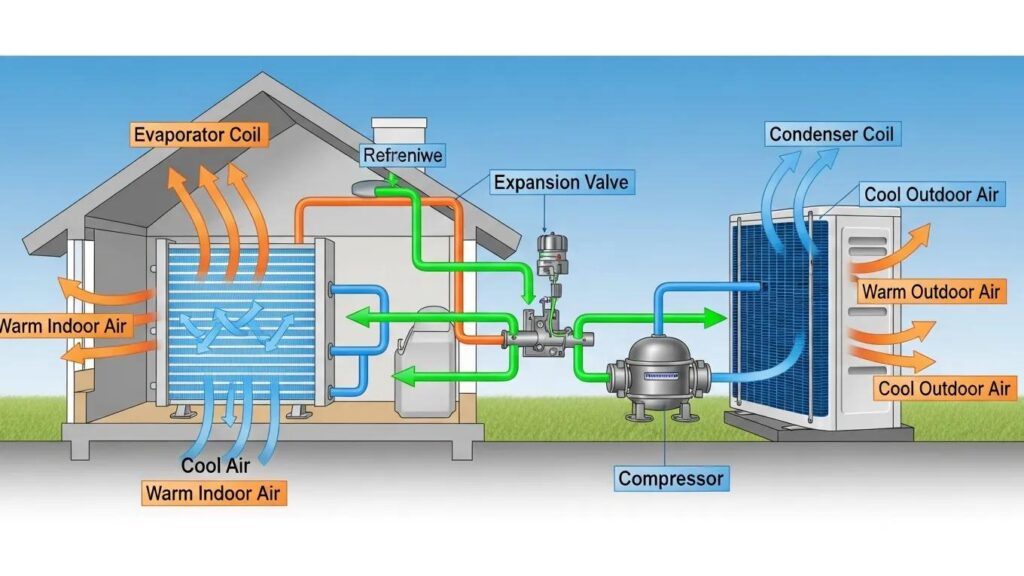
Refrigerants are essential to the HVAC cooling process, as they facilitate the transfer of heat. Different types of refrigerants are used in modern air conditioning systems, each with unique properties. Common refrigerants include R-410A and R-32, which are known for their efficiency and lower environmental impact. The cooling cycle involves the refrigerant absorbing heat from the indoor air in the evaporator coil and releasing it outside through the condenser coil. Understanding the types of refrigerants and their environmental considerations is crucial for homeowners looking to make eco-friendly choices.
What Are the Best Energy Efficient Cooling Technologies for Homes?
Energy-efficient cooling technologies can significantly reduce energy consumption and lower utility bills. Some of the best options include: residential air conditioning
Research consistently explores new methods to enhance the energy efficiency of air conditioning systems.
Innovative Cooling Technologies for Energy-Efficient AC
In this paper, we present a review of recent innovative cooling technology and strategies that could potentially lower the kW/Rton of cooling systems.
Achieving better energy-efficient air conditioning–a review of technologies and strategies, KJ Chua, 2013
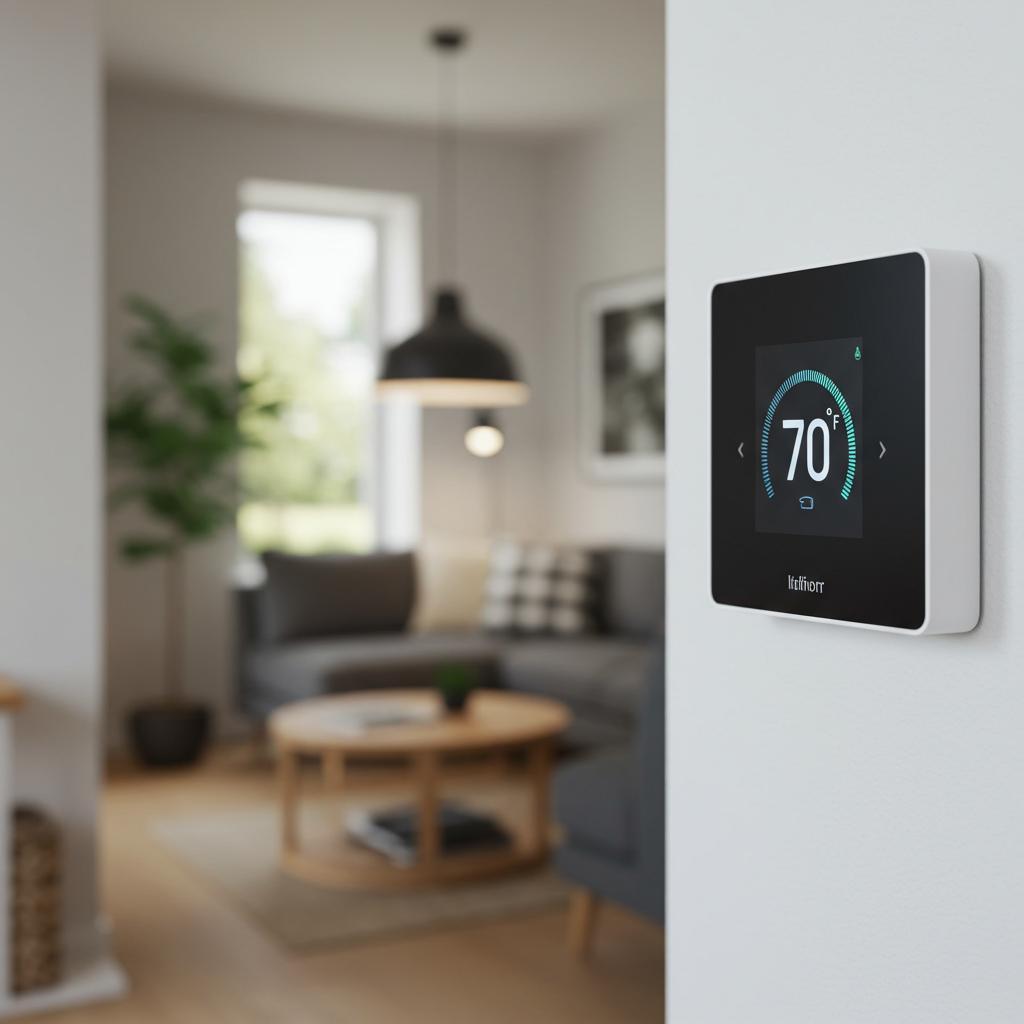
- Smart Thermostats: These devices learn your cooling preferences and adjust the temperature accordingly, optimizing energy use.
- High-Efficiency AC Units: Modern air conditioning units are designed to operate more efficiently, using less energy while providing the same cooling output.
- Eco-Friendly Refrigerants: New refrigerants are being developed to minimize environmental impact while maintaining cooling efficiency.
These advancements, combined with stricter building codes, have led to significant improvements in the energy performance of modern homes.
Energy-Efficient Cooling for Low-Energy Homes
As a result, recently built new housing is on average 13% more energy efficient (mainly space heating and hot water) due to higher efficiency standards and codes, and energy efficient technologies.
Efficient heating and cooling systems for low-energy houses, 2012
How Do Smart Thermostats Improve Home Cooling Efficiency?
Smart thermostats enhance home cooling efficiency by allowing homeowners to control their systems remotely and set schedules based on their routines. Features such as learning algorithms enable these devices to adapt to user preferences, optimizing energy use without sacrificing comfort. Studies show that homes equipped with smart thermostats can save up to 10-15% on cooling costs annually, making them a worthwhile investment for energy-conscious homeowners.
Indeed, studies have demonstrated the tangible benefits of smart thermostats in reducing household energy consumption.
Smart Thermostats for Home Energy Savings
We evaluate this approach by deploying sensors in 8 homes and comparing the expected energy usage. Thus, the smart thermostat can reduce energy consumption in homes.
The smart thermostat: using occupancy sensors to save energy in homes, J Lu, 2010
Which Eco-Friendly Refrigerants Are Used in Modern AC Units?
Modern air conditioning units often utilize eco-friendly refrigerants such as R-32 and R-410A, which have lower global warming potential compared to older refrigerants like R-22. These refrigerants not only provide effective cooling but also align with environmental regulations aimed at reducing greenhouse gas emissions. Homeowners should consider systems that use these advanced refrigerants to contribute to a more sustainable future.
How Can Homeowners Maintain Their Air Conditioning Systems Effectively?
Regular maintenance is essential for ensuring the longevity and efficiency of air conditioning systems. Homeowners can take several steps to maintain their systems effectively:
- Routine Maintenance Tasks: Regularly changing air filters and cleaning the evaporator and condenser coils can prevent system inefficiencies.
- Troubleshooting Tips: Homeowners should be aware of common issues, such as unusual noises or reduced airflow, which may indicate a need for professional service.
- Energy Efficiency Practices: Keeping windows and doors closed during peak cooling hours can help maintain indoor temperatures and reduce the workload on the AC unit.
What Are Essential Air Conditioner Maintenance Tips?
To keep air conditioning systems running smoothly, homeowners should follow these essential maintenance tips:
- Regular Filter Changes: Change or clean air filters every 1-3 months to ensure optimal airflow and efficiency.
- System Cleaning: Schedule annual professional cleaning to remove dust and debris from the coils and ensure proper operation.
- Professional Inspections: Have a qualified technician inspect the system at least once a year to identify potential issues before they become major problems.
How Often Should AC Units Be Serviced for Optimal Performance?
For optimal performance, air conditioning units should be serviced at least once a year. Regular servicing helps identify and address issues early, ensuring the system operates efficiently. Homeowners should also be aware of signs indicating the need for servicing, such as increased energy bills, inconsistent cooling, or unusual noises. By adhering to a regular maintenance schedule, homeowners can extend the lifespan of their systems and improve energy efficiency.
What HVAC Services Are Available for Michigan Home Cooling Systems?
In Michigan, homeowners have access to a variety of HVAC services to support their cooling needs. These services include:
- AC Installation Services: Professional installation ensures that new systems are set up correctly for optimal performance.
- AC Repair Services: Timely repairs can prevent minor issues from escalating into costly problems.
- Indoor Air Quality Solutions: Services that improve indoor air quality, such as air purifiers and humidifiers, can enhance overall comfort.
How Do HVAC Installation and Repair Services Support Efficient Cooling?
Professional HVAC installation and repair services are crucial for maintaining efficient cooling in homes. Proper installation ensures that systems operate at peak efficiency, while regular maintenance and timely repairs can prevent energy waste. Homeowners should seek qualified technicians who understand the latest technologies and best practices in HVAC systems to ensure their cooling needs are met effectively.
What Plumbing and Water System Integrations Enhance HVAC Performance?
Integrating plumbing and water systems with HVAC can enhance overall performance. For instance, systems that utilize water for cooling, such as chilled water systems, can provide efficient cooling solutions. Additionally, addressing common plumbing issues, such as leaks or blockages, can improve HVAC performance by ensuring that systems operate without unnecessary strain.