Residential HVAC Zoning Solutions in Macomb: Optimize Comfort and Energy Efficiency
By Frost Kretsch, Frost & Kretsch Heating & Cooling Inc.
Homeowners in Macomb are choosing HVAC zoning to improve comfort and reduce energy use. Zoning enables independent climate control across a home, matching different needs and schedules. This guide explains what residential HVAC zoning systems are, how they operate, and the benefits for Macomb residents. If you have uneven temperatures or rising energy bills, zoning can help. The sections cover system operation, advantages, installation, and maintenance.
Key Takeaways
- HVAC zoning lets you control temperatures independently across home areas for personalized comfort.
- Zone dampers regulate airflow by opening or closing ducts to serve only the zones that need conditioning.
- Zoning reduces energy use by conditioning occupied or necessary zones instead of the whole house.
- Customized climate control accommodates different temperature preferences within a household.
- Proper installation requires assessment, planning, damper integration, and system testing.
- Regular maintenance of dampers and thermostats preserves efficiency and system life.
- Troubleshoot zoning issues by checking thermostat settings, damper operation, and filter condition.
- Zoning can deliver energy savings and may increase property value.
What Are Residential HVAC Zoning Systems and How Do They Work?
Residential HVAC zoning lets you set temperatures independently for different areas. The system uses multiple thermostats and motorized dampers to send airflow where heating or cooling is needed. Conditioning only required zones improves comfort and lowers energy use—especially in homes with varied room usage.
How Does HVAC Zone Control Improve Home Comfort?
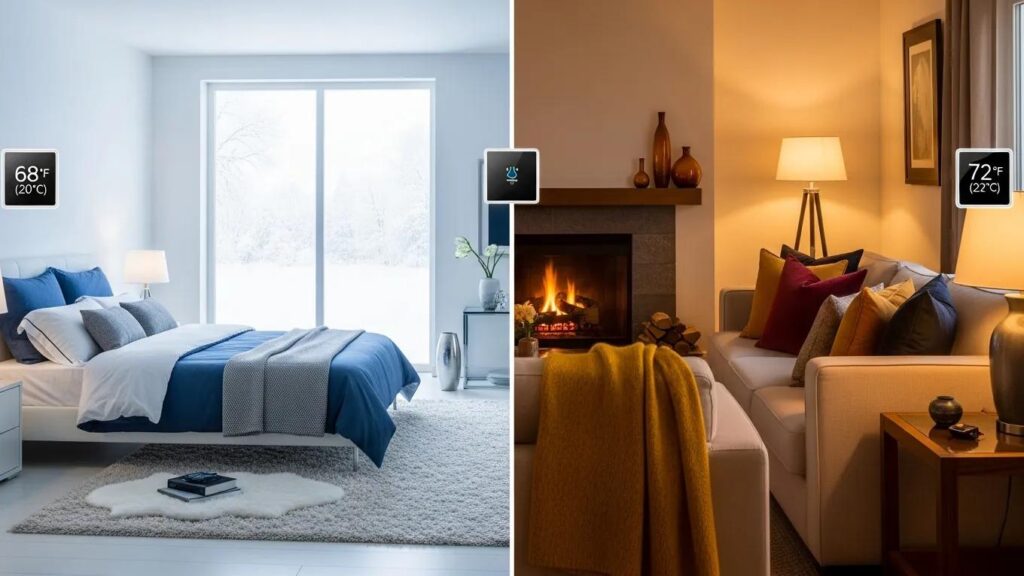
Zone control lets you set different temperatures for rooms. Bedrooms can be cooler at night while living spaces remain at daytime settings. This flexibility supports individual preferences and boosts overall comfort.
What Role Do Zone Dampers Play in Duct Zoning?
Zone dampers are motorized devices in the ductwork that control airflow to each zone. When a thermostat calls for conditioning, the associated damper opens; it closes when demand ends. Reliable damper operation maintains set temperatures and improves efficiency.
What Are the Key Benefits of HVAC Zoning in Macomb Homes?
Adding zoning delivers clear benefits: energy savings, improved comfort, and more precise control of indoor climates. These systems condition only the areas that need it, helping homeowners manage comfort and energy use more effectively.
| Benefit | Description | Impact Level |
|---|---|---|
| Energy Savings | Reduces energy consumption by heating/cooling only needed areas | High |
| Increased Home Value | Modern heating solutions can enhance property appeal | Medium |
| Personalized Comfort | Allows individual preferences in different spaces | High |
Zoning helps HVAC systems run closer to peak efficiency. Conditioning only needed areas lets homeowners—especially in larger houses—lower energy costs when rooms require different temperatures.
How Does Duct Zoning Contribute to Energy Efficiency?
Duct zoning reduces wasted heating and cooling by directing air only to occupied zones. That targeted approach lowers bills and reduces wear on equipment, which can extend system life and reduce long-term maintenance costs.
Why Is HVAC Zoning Important for Personalized Temperature Control?
Zoning lets each household member choose a comfortable temperature, reducing disputes over a single thermostat. Individual control improves daily comfort and creates a more harmonious living environment.
How Is HVAC Zoning Installation Completed in Macomb?
Installation begins with a site assessment of the existing HVAC system and ductwork to confirm feasibility. Technicians design a zoning plan that specifies the number and placement of zones based on the home’s layout.
What Are the Steps Involved in Installing Zone Dampers and Controls?
Installing dampers and controls follows a clear sequence:
- Assessment: Evaluate the current HVAC setup and ducting to identify zoning requirements.
- Planning: Design a zoning scheme showing damper and thermostat locations.
- Installation: Integrate zone dampers into the ductwork and install corresponding controls for each zone.
- Testing: Verify system operation and calibrate settings for best performance.
Correct installation ensures the system functions as intended and achieves the expected energy savings.
Where to Find Trusted HVAC Zoning Contractors in Macomb?
Choose qualified, experienced contractors. Look for verifiable experience, good customer reviews, detailed estimates, clear timelines, and workmanship warranties. Personal referrals and local online reviews help identify reputable options in Macomb.
What Should Homeowners Know About Maintaining Residential HVAC Zoning Systems?
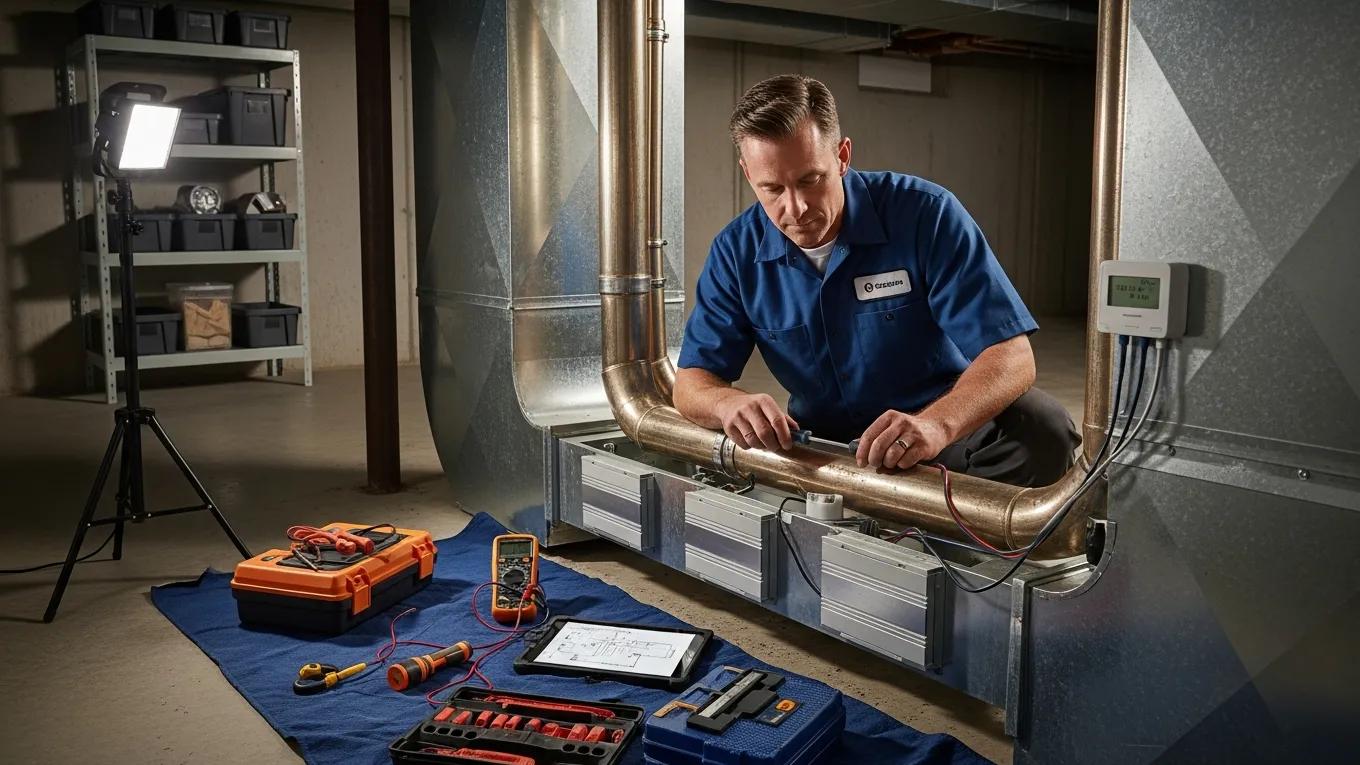
Regular maintenance keeps zoning systems efficient and prevents costly repairs. Homeowners should follow routine care for dampers and thermostats and schedule professional service as recommended.
How Often Should Zone Dampers and Thermostats Be Serviced?
Have dampers and thermostats serviced at least annually to catch issues early. Technicians can clean, calibrate, and test components. Watch for unusual noises or persistent temperature differences between visits—these indicate a need for service.
What Are Common Troubleshooting Tips for HVAC Zone Control Issues?
Basic troubleshooting steps include:
- Check Thermostat Settings: Confirm thermostats are set and operating correctly.
- Inspect Dampers: Verify dampers open and close as intended; look for obstructions.
- Clean Filters: Replace or clean filters to avoid restricted airflow.
These checks resolve many minor problems and help maintain system performance without unnecessary service calls.
Frequently Asked Questions
What is the cost of installing HVAC zoning systems in Macomb?
Installation costs vary with home size, existing equipment, and the number of zones. In Macomb, expect a typical range of $2,000 to $4,500 for a complete zoning install, including materials, labor, and any ductwork modifications. Obtain multiple estimates and ask about financing if needed.
Can HVAC zoning systems reduce noise in my home?
Yes. Zoning can reduce runtime and focus airflow to active zones, often resulting in quieter vents and lower air-handler noise. Bedrooms and home offices can be noticeably quieter as a result.
Are there any energy efficiency ratings for HVAC zoning systems?
Zoning itself does not have a separate rating like SEER or AFUE, but it can improve overall system efficiency. Consider pairing zoning with high-efficiency equipment or Energy Star-certified units to increase savings.
How can I tell if HVAC zoning is right for my home?
Consider home size, occupant count, and differing comfort needs. Multi-story homes or houses with rooms used differently often benefit most. If some areas are consistently uncomfortable or bills are high, consult an HVAC professional for an assessment.
What are the common mistakes homeowners make when using HVAC zoning?
Common mistakes include poor thermostat placement, skipping maintenance, and underusing zoning features. Avoid placing thermostats near vents or drafts. Schedule annual servicing and use programmable or smart settings to realize savings. Learn system controls to get full benefit.
What maintenance tasks can homeowners perform on their HVAC zoning systems?
Homeowners can replace or clean filters regularly, verify thermostats, and check that dampers and vents are unobstructed. Remove visible dust from vents to maintain airflow, and schedule annual professional maintenance to catch issues early.
Conclusion
Implementing zoning in Macomb homes delivers personalized comfort and improved energy efficiency. A zoning system can correct uneven temperatures, reduce energy use, and may increase property value. Review trusted zoning options that match your home’s needs and start optimizing your indoor climate for greater comfort and efficiency.