Air Conditioner Repair & Troubleshooting: Find Fast AC Repair Near Me and Solve Cooling Issues
Air conditioning systems are essential for maintaining comfort in homes and businesses, especially during the hot summer months. However, when these systems fail, it can lead to discomfort and frustration. This article will explore common air conditioner issues, their causes, and effective troubleshooting steps. Additionally, we will discuss when to seek professional help and the benefits of hiring licensed technicians. By understanding these aspects, you can ensure your air conditioning system operates efficiently and effectively. We will cover topics such as common cooling issues, the role of thermostats and refrigerants, and essential maintenance tips to prevent breakdowns.
Common cooling issues that may require repair include:
Identifying common air conditioning problems is crucial for timely repairs. Some prevalent issues include: residential air conditioning
- Poor Airflow: This can result from clogged filters or ductwork, leading to inefficient cooling.
- Strange Noises: Unusual sounds may indicate mechanical failures or loose components that need attention.
- Warm Air: If your AC is blowing warm air, it could be due to refrigerant leaks or compressor issues.
Understanding these issues can help you diagnose problems early and seek appropriate solutions. For those in need of HVAC services, Frost & Kretsch Heating & Cooling offers reliable repair options to address these common concerns.
What Are the Common Causes When Your AC Is Not Cooling Properly?
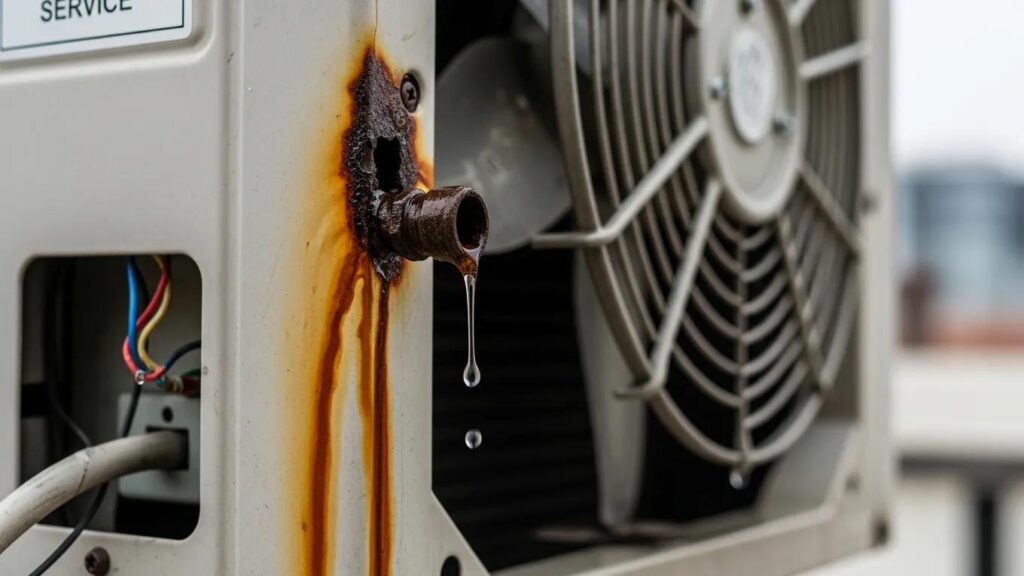
When your air conditioning system fails to cool effectively, several factors may be at play. Common causes include: residential air conditioning
- Mechanical Failures: Components such as the compressor or fan may malfunction, preventing proper cooling.
- Refrigerant Problems: Low refrigerant levels due to leaks can hinder the cooling process.
- Thermostat Malfunctions: A faulty thermostat may not accurately read the temperature, leading to improper cooling.
By understanding these causes, you can take the necessary steps to troubleshoot and resolve the issue effectively.
How Does a Faulty Compressor Affect AC Cooling Performance?
The compressor is a vital component of your air conditioning system, responsible for circulating refrigerant. A faulty compressor can lead to significant cooling issues, including:
- Warm Air Output: If the compressor fails, it may not compress the refrigerant properly, resulting in warm air blowing from the vents.
- Poor Airflow: A malfunctioning compressor can also reduce airflow, making it difficult for the system to cool your space effectively.
Troubleshooting Steps:
To address compressor issues, consider the following troubleshooting steps:
- Check the Thermostat: Ensure the thermostat is set to the desired temperature and functioning correctly.
- Inspect the Air Filter: A clogged air filter can restrict airflow, affecting the compressor’s performance.
By following these steps, you can identify potential issues and determine if professional assistance is needed.
What Role Do Thermostats and Refrigerants Play in AC Cooling Issues?
Thermostats and refrigerants are critical components in the cooling process. The thermostat regulates the temperature by signaling the AC to turn on or off, while refrigerants absorb and release heat to cool the air. If either component malfunctions, it can lead to cooling issues.
Further research highlights advanced methods for detecting issues in residential AC systems using cloud-based thermostat data.
Residential AC Fault Detection with Thermostat Data
This paper also reviews the emerging field of fault detection of residential air conditioning systems by using cloud-based thermostat data.
A review of fault detection and diagnosis methods for residential air conditioning systems, AP Rogers, 2019
Understanding their roles helps in diagnosing problems effectively. For instance, if the thermostat is not calibrated correctly, it may not trigger the AC to cool when needed. Similarly, low refrigerant levels can prevent the system from achieving the desired temperature.
The importance of addressing refrigerant issues is further emphasized by research into automatic detection and diagnosis techniques.
Automatic Refrigerant Leakage Detection & Diagnosis
Unlike a simple refrigeration system of an HVAC system, a distributed, this research is aimed at developing a technique for automatic refrigerant leakage detection and diagnosis (RLDD.
Refrigerant leakage detection and diagnosis for a distributed refrigeration system, 2006
How Can You Troubleshoot Your HVAC System Effectively?
Troubleshooting your HVAC system can save time and money. Here are some effective guidelines:
- Check Thermostat Settings: Ensure the thermostat is set to the cooling mode and the desired temperature.
- Inspect Power Supply: Verify that the system is receiving power and that circuit breakers are not tripped.
Step-by-Step Diagnostic Procedures
To perform a thorough diagnostic, follow these steps:
- Examine the Thermostat: Confirm it is functioning and set correctly.
- Inspect the Air Filter: Replace or clean the filter if it is dirty.
- Check the Outdoor Unit: Ensure the outdoor unit is clear of debris and has proper airflow.
These steps can help identify issues before they escalate, ensuring your HVAC system runs smoothly.
When Should You Call a Licensed HVAC Technician for Repair?
Knowing when to call a professional is essential for maintaining your air conditioning system. Consider contacting a licensed HVAC technician if you experience:
- Inconsistent Temperatures: If different areas of your home are not cooling evenly, it may indicate a problem.
- Unusual Noises: Strange sounds from the unit can signal mechanical issues that require expert attention.
Professional technicians have the expertise to diagnose and repair complex issues, ensuring your system operates efficiently. For more information, visit Michigan Heating Cooling.
What Emergency AC Repair Services Are Available Near Me?
In case of a sudden AC breakdown, emergency repair services are crucial. Frost & Kretsch Heating & Cooling offers 24/7 emergency AC repair services to address urgent cooling issues. Their prompt response ensures that you can return to comfort quickly, minimizing downtime and discomfort.
How to Identify Urgent AC Problems Requiring Immediate Repair?
Recognizing urgent AC problems can prevent further damage. Key signs include:
- Poor Airflow: If airflow is significantly reduced, it may indicate a serious issue.
- Strange Noises: Unusual sounds can signal mechanical failures that need immediate attention.
By identifying these signs early, you can take action to prevent costly repairs.
What Are the Benefits of Licensed and Insured Emergency AC Repair Technicians?
Hiring licensed and insured technicians for emergency repairs offers several advantages:
- Safety: Licensed professionals adhere to safety standards, reducing the risk of accidents.
- Warranty Protection: Many repairs come with warranties, ensuring peace of mind for homeowners.
These benefits highlight the importance of choosing qualified technicians for your AC repair needs.
The emphasis on licensed professionals is further supported by industry standards for HVAC/R technician certification.
HVAC/R Technician Certification Standards
The role of certification in HVAC/R technicians under the ISO 17024 standard, for building operator professional standard that leverages industry skill standards for building operators.
Leveraging National Guidelines for Building Operator Credentialing, 2012
What Are Essential Air Conditioner Maintenance Tips to Prevent Breakdowns?
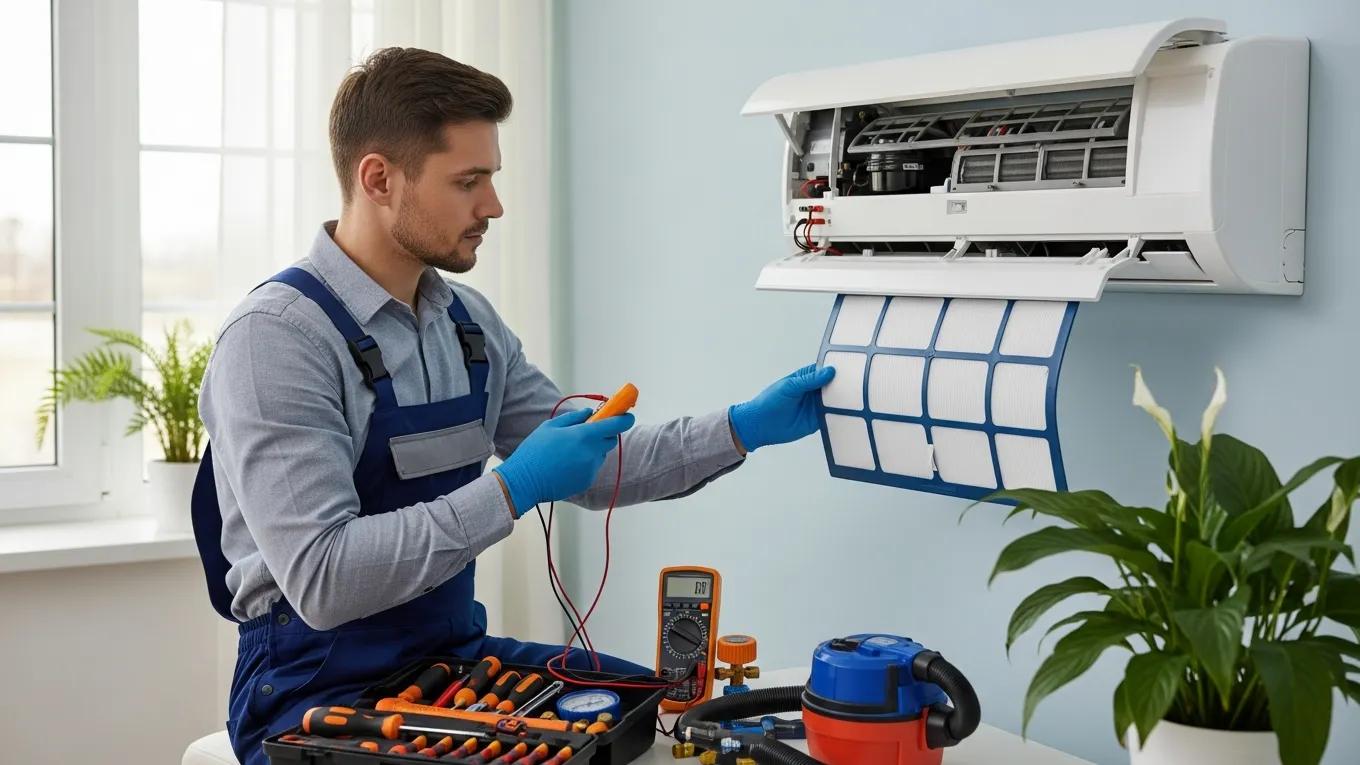
Regular maintenance is key to preventing air conditioning breakdowns. Essential tips include:
- Regular Filter Changes: Change or clean filters every 1-3 months to maintain airflow.
- Annual Professional Inspections: Schedule yearly inspections to identify potential issues before they escalate.
Implementing these maintenance practices can extend the lifespan of your AC system and improve its efficiency.
How Often Should You Schedule AC Maintenance and What Does It Include?
Scheduling regular AC maintenance is crucial for optimal performance. It is recommended to have maintenance performed at least once a year. A typical maintenance visit includes:
- System Inspection: Technicians will check all components for wear and tear.
- Refrigerant Level Check: Ensuring proper refrigerant levels is essential for efficient cooling.
By adhering to a maintenance schedule, you can prevent unexpected breakdowns and costly repairs.
How Do Regular Maintenance and Energy Efficiency Upgrades Improve AC Performance?
Regular maintenance and energy efficiency upgrades can significantly enhance your air conditioning system’s performance. Benefits include:
- Improved Efficiency: Well-maintained systems operate more efficiently, reducing energy costs.
- Extended Lifespan: Regular care can prolong the life of your AC unit, saving you money in the long run.
Investing in maintenance and upgrades ensures your system runs smoothly and efficiently, providing comfort when you need it most.