How Much Does Furnace Replacement Cost?

How Much Does Furnace Replacement Cost? Comprehensive Guide to Pricing, Installation, and Savings By Frost Kretsch, Frost & Kretsch Heating & Cooling Inc. Replacing a furnace can feel intimidating, especially when weighing the costs involved. Understanding the various factors influencing furnace replacement costs can equip homeowners with the knowledge to make informed decisions. This comprehensive guide demystifies the pricing, installation, and potential savings associated with furnace replacement. Homeowners often face high costs due to installation fees, furnace types, regional price variations, and other considerations. By addressing these pain points and exploring smart financing options, you can save significantly over the life of a new heating system. This article will cover key cost factors, provide average pricing for furnace replacements, highlight financing options, and discuss how to identify when it’s time for a replacement. What Are the Key Factors Affecting Furnace Replacement Cost? Several factors play a crucial role in determining furnace replacement costs. The first aspect is the type of furnace being installed, as different models can vary greatly in price. Alongside this, the energy efficiency ratings of furnaces significantly impact both upfront costs and long-term savings. It’s also essential to consider additional installation complexities that may arise based on your home’s specific needs, which can further influence overall costs. How Do Furnace Types Influence Replacement Prices? Furnace types considerably affect replacement prices. Gas furnaces, for instance, typically range from $2,500 to $5,500, while electric furnaces can be less expensive, generally costing between $1,500 and $3,000. Oil furnaces fall in a middle ground, with average costs ranging from $3,000 to $6,000. Homeowners should compare these costs not only against the initial purchase price but also consider the long-term savings tied to energy efficiency to evaluate the best investment for their heating needs. What Role Do Energy Efficiency Ratings Play in Overall Cost? Understanding energy efficiency ratings is crucial in assessing a furnace’s cost-effectiveness. Furnaces typically receive an rating, indicating their efficiency at converting fuel into heat. A unit with a higher AFUE rating is likely to have a higher initial cost but can lead to reduced energy bills over time. Investing in high-efficiency models can drastically decrease operational costs, making them a viable option for many homeowners over the long term. What Is the Average Cost to Replace a Furnace in 2026? The average cost to replace a furnace in 2026 is projected to vary depending on furnace types and regional pricing differences. As homeowners aim to maintain comfort while managing expenses, understanding these average costs is essential for budgeting. How Do Regional Prices Vary, Especially in Macomb? In Macomb, furnace replacement costs show notable regional variations. Homeowners can expect to pay anywhere between $2,500 and $5,500 for new installations, depending on specific factors such as the chosen furnace type and local labor rates. Urban areas may also experience higher costs due to increased demand and installation complexities. What Are Typical Installation Costs and Timeframes? Installation costs for a new furnace can vary widely but typically range from $1,000 to $3,000. Factors influencing installation costs include the type of furnace, the complexity of the installation, and regional labor rates. Most installation projects can be completed within a day, but in cases with additional ductwork or modifications, homeowners should anticipate a timeframe of 1-3 days. How Can Financing and Incentives Reduce Furnace Replacement Costs? Financing is a crucial aspect for many homeowners facing a furnace replacement. Various options can make an otherwise daunting expenditure manageable, reducing the financial burden while ensuring home heating remains effective. What Financing Options Are Commonly Available? Homeowners can explore multiple financing options, such as personal loans or credit through HVAC companies. Many installers offer financing plans with terms ranging from 0% interest for up to 12 months to longer-term loans of 5 to 10 years. These options enable homeowners to spread the cost of a new furnace over time, easing immediate cash flow issues and making it easier to secure top-quality heating systems. Are There Government or Local Rebates for Energy-Efficient Furnaces? Homeowners may also benefit from government or local rebates when purchasing energy-efficient furnaces. Many programs exist, targeting energy-efficient upgrades to encourage environmentally friendly choices. Homeowners should verify eligibility criteria and application processes, as these incentives can significantly offset upfront costs, sometimes covering thousands of dollars in expenses for qualifying systems. What Are the Signs Indicating You Need to Replace Your Furnace? Recognizing the signs of a failing furnace can help homeowners avoid costly repairs and uncomfortable situations. Understanding when to replace a furnace versus opting for repairs is essential for effective budgeting and planning. How to Identify Symptoms of Furnace Failure or Inefficiency? Common warning signs of furnace inefficiency include loud noises during operation, inconsistent heating, and rising energy bills. Homeowners should also monitor for unusual odors and difficulty starting the unit. If you notice these symptoms, it’s advisable to consult a professional for a thorough assessment to determine if replacement is warranted. When Is Replacement More Cost-Effective Than Repair? In many cases, replacing a furnace proves more cost-effective than continuous repairs, especially if the current unit is over 15 years old and requires frequent servicing. When evaluating the cost of repairs and parts against the cost of a new energy-efficient model, homeowners should consider long-term energy savings, reliability, and warranty options associated with new units. How Does Upgrading to a New Furnace Impact Long-Term Energy Savings? Investing in a new furnace often results in significant long-term energy savings, making it an attractive option for economically-minded homeowners. A high-efficiency furnace can reduce energy expenses and improve overall home comfort. What Are the Benefits of High-Efficiency Furnace Models? High-efficiency furnace models typically boast ratings above 90%, ensuring optimal energy use and significant savings on monthly heating bills. Additionally, these units tend to operate more quietly, produce fewer emissions, and contribute to an overall increase in home comfort. How to Calculate Return on Investment for Furnace Replacement? When considering the return on investment (ROI) for a new furnace, homeowners can use the formula: ROI =
Preventive Maintenance for Commercial HVAC Systems
Preventive Maintenance for Commercial HVAC Systems: Expert Plans, Inspections, and Tune-Ups to Ensure Reliability By Frost Kretsch, Frost & Kretsch Heating & Cooling Inc. Preventive maintenance for commercial HVAC systems is critical for the long-term functionality and efficiency of climate control solutions. By systematically conducting inspections, adjustments, and necessary repairs, businesses can ensure reliable operation while minimizing unexpected failures. This article will delve into the significance of preventive maintenance, detailing how efficient practices enhance HVAC system performance and longevity. Additionally, we will highlight comprehensive HVAC maintenance plans that address different business needs, including typical tasks and benefits of regular tune-ups. Moreover, we will explore how businesses can find local HVAC maintenance services tailored to their requirements, especially focusing on the services available in Macomb. Why is Preventive HVAC Maintenance Essential for Commercial Buildings? Preventive maintenance is essential for maintaining HVAC systems in commercial buildings due to its impact on efficiency, longevity, and operational costs. By engaging in regular maintenance practices, facility managers can enhance the lifespan of equipment, thus avoiding costly replacements down the line and ensuring that systems function optimally throughout the year. Moreover, efficient systems consume less energy, leading to reduced utility bills and a smaller carbon footprint. These practices mitigate the risk of unexpected failures, which can disrupt operations and lead to significant downtime. How Does Preventive Maintenance Improve HVAC System Efficiency? Preventive maintenance significantly boosts HVAC efficiency by identifying issues before they escalate. Regular system checks can lead to energy savings of up to 15% as components like filters and coils are kept clean and unobstructed. Case studies have illustrated that systems undergoing routine maintenance operate more efficiently than neglected systems, often resulting in reduced energy consumption and lower operational costs. This improved energy efficiency not only benefits the bottom line but also supports sustainability goals through decreased environmental impact. What Are the Long-Term Benefits of Regular HVAC Tune-Ups? Regular tune-ups provide significant long-term benefits for HVAC systems, ensuring they operate efficiently and reliably over time. Facility managers have reported improved cost prevention ratios, where the savings from reduced energy bills exceed the maintenance costs incurred. Moreover, regular maintenance has been shown to minimize wear and tear, extending the overall lifespan of equipment. Positive owner feedback emphasizes how maintaining HVAC systems helps avoid emergency repairs, ultimately leading to smoother operations and enhanced tenant satisfaction. What Do Comprehensive Commercial HVAC Maintenance Plans Include? Comprehensive HVAC maintenance plans include a wide range of services tailored to meet specific business needs while promoting operational efficiency. These plans typically encompass detailed inspections, cleaning, and adjustments for various components, such as filters, thermostats, and compressors, ensuring everything operates at peak efficiency. Additionally, maintenance contracts often offer flexibility, allowing businesses to customize service frequency and offerings based on operational demands. How Are HVAC Maintenance Contracts Structured to Fit Business Needs? HVAC maintenance contracts are designed to accommodate various business needs by offering flexible terms. Many contractors provide options for both short-term and long-term contracts, allowing businesses to choose based on their operational budget and facility size. This flexibility ensures that maintenance services can be tailored to the specific demands of the establishment, enabling efficient management of HVAC systems without overspending. Which Tasks Are Performed During Scheduled Commercial HVAC Inspections? Scheduled commercial HVAC inspections typically include several core tasks aimed at ensuring system efficiency and reliability. These tasks consist of checking and replacing air filters, inspecting and cleaning coils, assessing refrigerant levels, and verifying system controls. Regular inspections are crucial as they also allow for any potential issues to be flagged early, minimizing the risk of unexpected breakdowns during peak operation periods. How Are Commercial HVAC System Inspections and Tune-Ups Conducted? Commercial HVAC system inspections and tune-ups are conducted using detailed procedures focused on optimizing system functionality and safety. Technicians perform inspections using systematic checklists that ensure comprehensive evaluations of each component of the HVAC system, identifying any areas needing repair or adjustment. What Are the Key Procedures in a Commercial HVAC Tune-Up? Key procedures conducted during commercial HVAC tune-ups include comprehensive cleaning of system components, checking thermostat settings, and testing system controls for accuracy. These practices aim to improve efficiency and extend the lifespan of the HVAC units. Technicians utilize specialized tools and techniques to ensure that each component is functioning correctly and make necessary adjustments to optimize performance. How Do HVAC Professionals Detect and Prevent Equipment Failures? HVAC professionals employ various techniques for detecting and preventing equipment failures, including thermal imaging technology and real-time monitoring systems. These methods allow technicians to identify inefficiencies and wear on equipment before they develop into significant issues. Implementing such strategies can significantly reduce service costs and improve overall system reliability, ultimately ensuring continued performance excellence. Where Can Businesses Find Reliable Regional Commercial HVAC Maintenance Services? Locating dependable regional HVAC maintenance services is crucial for businesses aiming to ensure optimal system performance. Prospective clients should consider vendors with a strong reputation, extensive experience, and positive customer feedback when selecting HVAC service providers. What Makes Macomb HVAC Service Providers Suitable for Local Maintenance? Macomb HVAC service providers are particularly suitable for local maintenance due to their understanding of regional climate characteristics and common HVAC issues. This knowledge enables them to offer tailored solutions that fit the specific needs of local businesses, ensuring the effectiveness of their services. Additionally, their familiarity with local regulations further enhances service delivery, supporting compliance and operational efficiency. How Do Regional Services Tailor Preventive Maintenance to Commercial Clients? Regional HVAC services often customize their preventive maintenance offerings to align with the unique operating conditions encountered by local businesses. This includes adapting services based on industry requirements, local climate considerations, and specific client needs. Such tailored approaches enhance service relevance and effectiveness, promoting overall system sustainability and reliability. How Much Do Preventive Commercial HVAC Services Typically Cost? The costs associated with preventive commercial HVAC services vary, depending on the complexity of the systems involved and the specifics of the maintenance plans chosen. Generally, businesses can expect to budget for regular inspections and maintenance
How to Find & Apply for HVAC Rebates
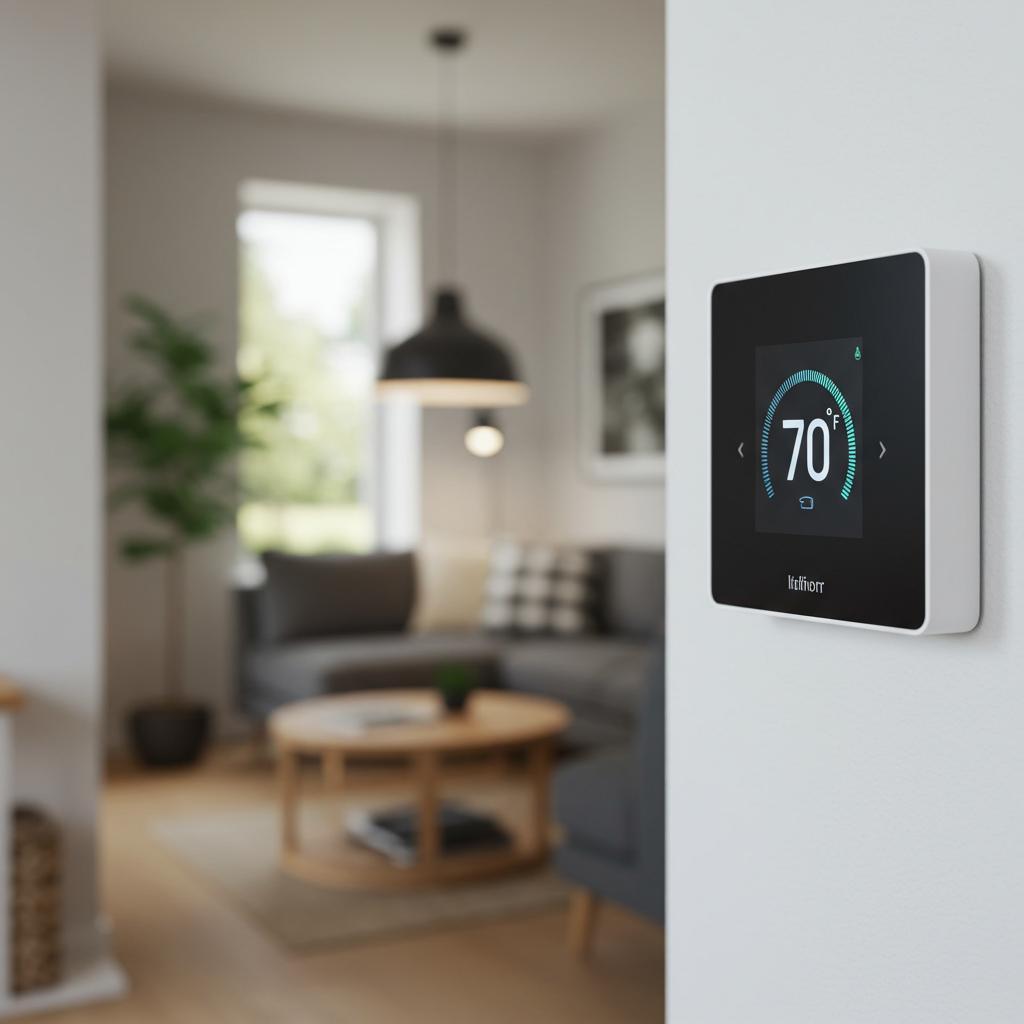
How to Find and Apply for HVAC Rebates: A Complete Guide to Energy Efficient Incentives By Frost Kretsch, Frost & Kretsch Heating & Cooling Inc. Navigating the world of HVAC rebates can be challenging, but understanding how to find and apply for these incentives is crucial for leveraging energy efficiency programs. This guide focuses on how homeowners can discover available HVAC rebates, determine their eligibility, and navigate the application process efficiently. Often, individuals miss out on rebates due to a lack of awareness or misunderstanding the requirements. By following the outlined steps and leveraging available resources, you can maximize your savings and contribute to a more sustainable future. We will delve into the available rebate programs in Michigan, eligibility requirements, and a step-by-step approach to ensure your application process is smooth. Key discussions will include the types of rebates available, determining eligibility, and how companies like Frost & Kretsch can assist with rebate applications. What HVAC Rebate Programs Are Available in Michigan? In Michigan, numerous HVAC rebate programs are designed to incentivize homeowners to upgrade their heating and cooling systems. These rebate programs not only promote energy efficiency but also help reduce overall energy costs for residents. Homeowners can benefit from significant financial assistance by utilizing these programs. Understanding the various HVAC rebate programs available is essential for any homeowner looking to make energy-efficient upgrades. Which Michigan Utility Companies Offer HVAC Rebates? Several utility companies in Michigan provide HVAC rebates to encourage energy-efficient practices among homeowners. These companies include: DTE Energy: Offers rebates for various HVAC upgrades, including high-efficiency furnaces and air conditioners. Consumers Energy: Provides incentives for energy-efficient heating and cooling systems, along with rebates for smart thermostats. semcoenergy: Known for their generous rebates on furnace and boiler replacements. Ypsilanti Community Utilities Authority (YCUA): Offers energy efficiency programs for residents, including HVAC rebates. These companies are crucial players in helping residents save on the costs associated with energy-efficient upgrades. What Are the Key Features of Home Energy Rebate Programs? Home energy rebate programs typically offer various features that help streamline the application process and enhance homeowner incentives. Key features include: Rebate Amounts: Vary based on the type of upgrade and efficiency ratings. Eligibility Duration: Many programs run on an ongoing basis or have specific application periods. Program Objectives: Aim to encourage energy conservation and reduce greenhouse gas emissions by promoting the use of efficient heating and cooling systems. Understanding these features can help you select the most suitable options for your home. How Do I Determine Eligibility for HVAC Rebates? Determining eligibility for HVAC rebates is the first step toward maximizing your savings. Each program has unique criteria, but some common elements are generally consistent across different rebate offerings. What Are the Common Eligibility Criteria for Energy Efficient HVAC Incentives? The common eligibility criteria for most HVAC rebate programs include: Home Type: Must be a residential property, often single-family homes, duplexes, or townhomes. Energy Efficiency Standards: Equipment often needs to meet specific energy efficiency ratings, typically established by ENERGY STAR or similar organizations. Application Submission Methods: Most programs require homeowners to submit applications within a set timeframe after installation to qualify for rebates. Understanding these criteria can streamline the application process and ensure you meet the necessary requirements. When Are Application Deadlines for HVAC Rebates? Recognizing application deadlines is critical to successfully obtaining HVAC rebates. Various programs have different cut-off dates, which can vary by season or year. Here are some key considerations: Program-Specific Deadlines: Each utility company may set unique deadlines following the end of the fiscal year or during specific seasons. Submission Timing Tips: Submitting applications early can help secure funding before programs reach capacity. Renewal Deadlines: If you need to renew or apply again for future rebates, keep an eye on annual deadlines. Being proactive about deadlines is an essential component of successfully securing rebates. What Are the Step-by-Step Procedures to Apply for HVAC Rebates? The process of applying for HVAC rebates involves several steps to ensure you meet all requirements and submit your application correctly. Having a structured approach can significantly improve your chances of receiving the rebate. How to Complete the HVAC Rebate Application Form Correctly? Filling out the application form correctly is vital for avoiding delays or disqualification. Key points to consider include: Common Fields: Ensure you fill out basic information such as your name, address, and contact details accurately. Required Information: Input details about your HVAC system, including make, model, and efficiency ratings. Submission Format: Many programs offer online submission, but confirming the required format—whether online or by mail—is essential. A well-prepared application form can ease tension during the process. What Supporting Documents Are Needed for Rebate Applications? When applying for HVAC rebates, specific supporting documents are typically required. These may include: Proof of Purchase: Receipts or invoices from certified contractors. Installation Details: Documentation showing that installation meets program requirements. Utility Bill Record: To demonstrate ongoing usage and the need for upgrades. Compiling these documents in advance can expedite your application process. How Can Frost & Kretsch Assist with HVAC Rebate Applications? Navigating the HVAC rebate process can be complex, but companies like Frost & Kretsch specialize in assisting homeowners with their applications. They provide expert guidance to ensure you understand eligibility, rebates available, and the application procedure. What Services Does Frost & Kretsch Offer for Energy Rebate Help? Frost & Kretsch offers various services aimed at simplifying the rebate process, including: Consultation Services: Tailored advice on which rebates may work best for your specific situation. Application Support: Assistance with filling out application forms to ensure all required information is included. Follow-Up Services: Helping track the status of applications and provide updates. Clients benefit from the extensive knowledge that Frost & Kretsch possesses regarding utility rebates and energy efficiency programs. How to Contact Frost & Kretsch for Personalized Rebate Assistance? To work with Frost & Kretsch for your HVAC rebate needs, you can reach them via: Phone: Call to schedule an initial consultation. Email: Contacting via email for specific inquiries may
How HVAC and Water Heating Systems Interact

How HVAC and Water Heating Systems Interact: Understanding Efficiency, Compatibility, and Energy Impact By Frost Kretsch, Frost & Kretsch Heating & Cooling Inc. The interaction between HVAC systems and water heating solutions is crucial for optimizing energy efficiency in residential and commercial settings. Understanding how these systems work together not only enhances comfort but also reduces energy consumption and operational costs. This article explores the complexities of HVAC and water heating systems, highlighting their compatibility, efficiency, and innovative integration strategies. As energy prices fluctuate and environmental concerns grow, the need for efficient heating solutions becomes increasingly vital. Readers will learn about the various water heater types, the impact of HVAC loads on performance, energy efficiency benefits of integrated systems, and the role of smart controls in enhancing system performance. This guide will delve into several essential topics, including the compatibility of water heater types with HVAC systems, how system loads affect water heater performance, and innovative technologies that improve energy efficiency. Additionally, we will examine maintenance practices that ensure optimal system interaction and how current standards enhance system information. What Are the Key Water Heater Types and Their HVAC Compatibility? Understanding the different types of water heaters and their compatibility with HVAC systems is essential for maximizing performance and energy efficiency. Water heaters vary in design and operation, which can affect their integration with HVAC systems. The most common types include heat pump water heaters, tankless water heaters, and storage tank water heaters. Each type has distinct operational characteristics and efficiency profiles that can influence overall home energy use. How Do Heat Pump Water Heaters Integrate with HVAC Systems? Heat pump water heaters (HPWHs) leverage ambient air to heat water, making them an efficient option for home systems. These units integrate seamlessly with HVAC systems, often sharing ductwork to optimize heating and cooling processes. By utilizing the heat energy from the air or ground, heat pump water heaters can significantly reduce energy consumption. Thus, they contribute to a home’s overall efficiency, especially in conjunction with existing HVAC components. What Are the Differences Between Tankless, Storage Tank, and Heat Pump Water Heaters? The choice of water heater can greatly impact efficiency and energy consumption. Here are the main differences between the three types: Tankless Water Heaters: Provide hot water on demand without needing a storage tank. They are highly efficient since they only heat water as needed, saving energy. Storage Tank Water Heaters: The traditional option that maintains a constant supply of hot water in a large tank. While they tend to have lower upfront costs, they may incur higher energy costs due to standby heat loss. Heat Pump Water Heaters: As mentioned, they are more energy-efficient than traditional types, leveraging existing environmental heat. They are best suited for moderate climates where the temperature remains above freezing. Understanding these differences allows homeowners to select the right system for their needs and improve HVAC compatibility. How Does HVAC System Load Impact Water Heater Performance and Energy Consumption? The concept of system load refers to the overall demand placed on HVAC systems and water heaters during operation. This load directly affects performance, energy efficiency, and operational costs. Variability in demand can lead to inefficiencies if not managed properly. What Is the Effect of Water Heating on HVAC Energy Efficiency Ratings? Water heating significantly impacts the energy efficiency ratings of HVAC systems. When hot water usage increases, the HVAC system may need to work harder to maintain comfort levels, leading to increased energy consumption. Effective integration of water heating systems can alleviate this additional load, ensuring that energy ratings remain high and consistent performance is achieved across the home environment. How Do Integrated Systems Manage Heat Transfer to Optimize Performance? Integrated systems enhance heat transfer processes, allowing water heaters and HVAC solutions to work together efficiently. This synergy helps in managing the temperature control needed for hot water generation without compromising heating and cooling efficiency. Efficient heat exchangers within these systems facilitate optimal performance, reducing overall energy costs and improving comfort levels. What Are the Energy Efficiency Benefits of Integrated Home Heating Systems? Integrating HVAC and water heating systems leads to substantial energy efficiency benefits. Such integration allows for streamlined operations, which not only saves energy but also simplifies user experience. These systems can be designed to operate intelligently, selecting the most efficient mode of operation based on current demands. How Do Hybrid Heat Pump Systems Reduce Home Energy Consumption? Hybrid heat pump systems combine aspects of conventional heat pumps and electric resistance technologies. By intelligently switching between modes, they optimize energy usage depending on environmental conditions, which can substantially lower energy consumption during peak demand periods. Users can experience lower utility bills while maintaining consistent comfort levels year-round. What Recent Innovations Improve HVAC and Water Heating Efficiency? Advancements in technology are paving the way for more effective HVAC and water heating systems. Innovations such as smart thermostats and more efficient heat exchangers are becoming standard. These innovations improve the responsiveness of systems to real-time energy demands, enabling more precise control over home heating and cooling. How Can Smart Controls and Home Automation Enhance HVAC and Water Heater Integration? Smart controls and home automation significantly enhance the integration of HVAC and water heating systems. Homeowners can now monitor and adjust settings remotely, leading to improved energy efficiency and comfort. The technology provides real-time feedback on energy usage, allowing for informed decisions. What Role Do Smart Thermostats Play in Coordinating Heating Systems? Smart thermostats are central to modern heating system management. They analyze energy consumption patterns and adjust settings to optimize performance without sacrificing comfort. By integrating water heating operations, they manage not just when systems switch on and off but also maintain efficient usage based on current demand and outside conditions. How Does Automation Impact Energy Savings and System Maintenance? Automation in HVAC and water heating functions contributes significantly to energy savings. Through continuous monitoring and adjustment of system settings, automation minimizes wastage and prolongs equipment life. Homeowners experience decreased maintenance needs and
Heat Pump Troubleshooting & Repair Services

Heat Pump Troubleshooting and Repair Services: Expert Guide to Diagnosis, Maintenance, and Cost Management By Frost Kretsch, Frost & Kretsch Heating & Cooling Inc. Heat pumps are essential components in modern HVAC systems, providing efficient heating and cooling for homes and businesses. However, like any mechanical system, a heat pump can encounter various issues that affect its performance. This comprehensive guide will explore heat pump troubleshooting, repair procedures, and maintenance practices to keep your system running efficiently. Readers will learn to identify common problems such as insufficient heating, understand diagnostic procedures, and implement preventive maintenance techniques. An overview of repair costs and warranty options will also be provided, helping you make informed decisions about your heat pump’s upkeep. What Are the Most Common Heat Pump Problems and How Can You Identify Them? Heat pumps can face several problems, leading to decreased efficiency and discomfort. Understanding these common issues and their symptoms is crucial for timely diagnostics. Recognizing the signs early can prevent further complications and costly repairs. Which Symptoms Indicate a Heat Pump Is Not Heating Properly? When a heat pump fails to provide adequate heating, several symptoms may become evident: Insufficient Heat Output: If your space does not reach the set temperature, it could indicate an issue with the heat pump. Frequent Cycling: Constantly turning on and off without reaching the desired temperature may suggest a problem with the thermostat or a refrigerant leak. Increased Energy Bills: A sudden spike in energy costs without a change in usage can signal inefficiencies in the system. Ignoring these symptoms can lead to more significant issues and discomfort. Timely diagnosis is essential to address problems before they escalate. What Causes Heat Pump Components Like Compressors and Thermostats to Fail? Understanding the causes of component failure helps in preventing future issues. Common culprits include: Electrical Failures: Problems with wiring or power supply can lead to the malfunction of critical components like compressors and thermostats. Refrigerant Issues: Leaks or low refrigerant levels can cause the compressor to overheat, leading to failure. Age and Wear: Over time, mechanical parts naturally wear down, leading to decreased efficiency and eventual breakdown. Regular maintenance and awareness of these factors can extend the lifespan of your heat pump and its components. How to Perform Effective Diagnostics and Troubleshooting for Your Heat Pump Effective diagnostics involve identifying the root of the problem using appropriate tools and techniques. This section will outline essential steps and resources for troubleshooting your heat pump. What Tools and Checklists Are Essential for Heat Pump Failure Diagnosis? A successful heat pump diagnosis requires specific tools and a systematic approach: Multimeter: For testing electrical connections and components. Refrigerant Manifold Gauges: To measure the pressure of the refrigerant. Thermometer: For checking temperature differentials. A comprehensive checklist should include itemized steps for evaluating each component, ensuring no detail is overlooked. How Can You Detect Refrigerant Leaks and Electrical Issues in Heat Pumps? Detecting leaks and electrical problems can involve both visual inspections and tests: Visual Inspection: Look for signs of oil at connection points, which often indicates refrigerant leaks. Electrical Tests: Use a multimeter to check the continuity of electrical components and identify potential faults. These diagnostic techniques provide valuable insights into the condition of your heat pump and allow for timely interventions. What Are the Step-by-Step Repair Procedures for Common Heat Pump Issues? When issues are identified, knowing the repair process can help restore your heat pump to efficient operation. This section provides a guide to repairing common heat pump problems. How Do You Replace Key Heat Pump Parts Like Compressors and Coils? Replacing components such as compressors and coils requires careful steps to ensure proper installation: Safety First: Always disconnect power and follow safety protocols. Remove the Old Component: Carefully detach the faulty part, ensuring no further damage occurs to connected systems. Install the New Part: Place the new compressor or coil, connecting it correctly and securely. Following manufacturer instructions and safety guidelines during replacement is vital for successful repairs. What Testing Is Required After Repair to Ensure Heat Pump Functionality? Post-repair testing confirms whether the heat pump operates correctly: Temperature Testing: Measure the output temperature to ensure proper function. Pressure Tests: Verify refrigerant levels and replenish as needed. Electrical Checks: Ensure all electrical connections are secure and functioning properly. These tests validate that the repair was successful and help in avoiding future issues. What Preventive Maintenance Practices Keep Your Heat Pump Running Efficiently? Preventive maintenance is key to prolonging the lifespan and efficiency of your heat pump. Implementing regular checks can lead to consistent performance. How Often Should You Clean and Replace Heat Pump Filters? Cleaning and replacing filters should be part of a scheduled maintenance routine: Check Monthly: Inspect filters for dirt and debris. Replace or Clean: Change filters every 1-3 months depending on usage and type. Regular filter maintenance enhances efficiency and air quality in your space. What Are the Best Practices for Seasonal Heat Pump Inspections? Seasonal inspections ensure your heat pump is ready for changing weather conditions: Inspect Outdoor Unit: Clear debris and ensure proper airflow. Check Electrical Connections: Tighten any loose connections and check for wear. Lubricate Moving Parts: Regular lubrication prevents wear and leads to smooth operation. These practices help maintain the efficiency of your heat pump and extend its operational life. How Much Does Heat Pump Repair Cost and What Warranty Options Are Available? Understanding repair costs and warranty options is crucial for planning maintenance budgets. This section outlines key considerations. What Factors Influence Heat Pump Repair Pricing Near Me? Several factors affect the pricing of heat pump repairs: Type of Repair: Major component replacements typically cost more than minor repairs. Labor Costs: Rates can vary by region and service provider. Parts Availability: The cost of replacement parts can influence total repair expense. Consulting local service providers can give you a more precise estimate based on these variables. What Warranty Coverage Should You Expect for Heat Pump Repairs? Warranties provide peace of mind for repairs made: Parts Warranty:
Humidifiers & Dehumidifiers for Comfort

Humidifiers & Dehumidifiers for Comfort: Comprehensive Guide to Home Humidity Control and Installation By Frost Kretsch, Frost & Kretsch Heating & Cooling Inc. Maintaining an ideal indoor humidity level is essential for comfort and health, particularly as extremes in weather affect our living spaces. This comprehensive guide will delve into the specifics of humidifiers and dehumidifiers, exploring their benefits, installation advantages, and the advanced technologies involved in modern systems. Readers will learn about the health implications of poor humidity levels and how these devices enhance air quality. As we examine the intricacies of humidity control systems, we’ll also highlight essential considerations for residents in Macomb, ensuring that your home remains a sanctuary year-round. Throughout this guide, we will touch on professional installation benefits, energy efficiency, and the latest smart technologies that make managing indoor humidity not only easier but also more effective. What Are the Benefits of Whole Home Humidifiers for Indoor Comfort? Whole home humidifiers are designed to mitigate the symptoms associated with dry air and improve overall indoor air quality. These systems work by delivering moisture directly into the air, creating a more comfortable environment. One significant benefit is that they can lead to increased comfort levels, particularly in winter months or in arid climates. Furthermore, improving air quality has direct health benefits, which are crucial for individuals suffering from respiratory conditions. By maintaining optimal humidity levels, these systems can also prevent the proliferation of allergens and harmful microorganisms. How Do Whole Home Humidifiers Improve Air Quality and Health? Whole home humidifiers positively affect air quality by ensuring humidity levels stay within an ideal range of 30%-50%. This environment helps prevent respiratory issues, as dry air can lead to irritation of the respiratory tract, exacerbating asthma and allergies. Moreover, maintaining appropriate humidity levels helps alleviate dry skin, a common issue in low humidity conditions. By using a whole home system, occupants experience fewer colds and respiratory infections due to the increased moisture that keeps nasal passages hydrated and functioning optimally. What Installation Advantages Do Whole Home Humidifiers Offer? The installation of whole home humidifiers comes with several advantages, particularly in terms of compatibility and efficiency. Modern systems are designed to integrate seamlessly with existing HVAC units, providing unified climate control without compromising comfort. Furthermore, these systems often involve a streamlined installation process, reducing the need for extensive remodeling or adjustments to existing ductwork. As a result, users can enjoy the benefits of humidity control with minimal disruption to their homes. Which Dehumidifier Options Are Best for Home Use and Indoor Comfort? In contrast to humidifiers, dehumidifiers play an essential role in reducing excessive moisture levels in the air, which can lead to discomfort and health issues. There are several types of dehumidifiers available, each designed for specific applications and environments. Understanding which type best suits your home is crucial to ensuring optimal comfort. What Criteria Determine the Best Dehumidifier for Your Home? When assessing the best dehumidifier for home use, several criteria come into play. Key factors include the size of the unit, its moisture extraction capacity, and energy efficiency ratings. Homeowners should also consider specific features like adjustable humidity settings, built-in hygrometers, and ease of maintenance. Ensuring that the unit is appropriately sized for the space being treated is vital; too small a unit will struggle to remove moisture effectively, while an oversized one may cycle on and off unnecessarily. How Do Maintenance and Reviews Influence Dehumidifier Selection? The maintenance requirements and customer reviews of dehumidifiers significantly influence product selection. Regular filter changes and tank cleaning are essential for efficient performance. Furthermore, reviews provide insight into real-world performance and reliability, helping buyers avoid units with common issues. Prospective buyers should take note of long-term users’ experiences, particularly regarding noise levels, energy use, and the effectiveness in various humidity conditions. How Does Professional Installation Enhance Humidity Control Systems? Professional installation of humidity control systems improves their functionality and longevity. Experts have the training and experience necessary to install complex systems correctly, ensuring they work optimally from the start. As a result, homeowners can enjoy significant benefits, including enhanced performance and energy savings. What Is the Step-by-Step Process for Humidifier and Dehumidifier Installation? The installation process for humidifiers and dehumidifiers generally involves several key steps: Assessment of Home Environment: A professional begins by evaluating the home’s size and existing HVAC system to determine the best unit for the space. System Selection: Based on the assessment, the appropriate humidifier or dehumidifier will be selected. Installation Setup: The installer will typically position the unit, connect it to the HVAC system, and ensure all electrical and HVAC connections are secure. Testing Operations: Finally, the technician tests the system to confirm functionality and calibrate settings for optimal performance. This systematic installation approach not only ensures that the devices function correctly but also that they are integrated into the home’s climate control system seamlessly. Why Is Expert Installation Important for Optimal Performance and Energy Savings? Expert installation is crucial because it directly affects the performance of humidity control systems. Professionals understand the nuances of each unique environment, ensuring that the units are correctly placed and calibrated. Proper installation can significantly increase energy efficiency, translating to lower utility costs over time. Many individuals underestimate the importance of this step, which can lead to unanticipated maintenance issues and higher energy consumption from improperly functioning systems. How Do Energy Efficiency and Smart Technologies Improve Home Humidity Control? In the age of smart home technologies, humidity control systems have evolved to include advanced features that enhance user convenience and energy savings. These technologies provide homeowners with greater control over their indoor environments, adapting to real-time conditions. What Are the Latest Energy Star Ratings and Trends for 2026 Humidity Devices? As of 2023, Energy Star ratings are an essential consideration when selecting humidity control devices. The latest trends indicate that products with high energy efficiency can reduce energy costs significantly. Units now incorporate improved sensors and technologies that allow them to adjust operation levels based on current humidity,
HVAC Basics Every Homeowner Should Understand

Essential HVAC Basics Every Homeowner Should Understand for Reliable Home Comfort By Frost Kretsch, Frost & Kretsch Heating & Cooling Inc. Understanding the fundamentals of HVAC (Heating, Ventilation, and Air Conditioning) systems is paramount for every homeowner who desires optimal comfort, efficiency, and safety in their living spaces. HVAC systems are critical for maintaining temperature control, providing fresh air, and ensuring air quality. This article aims to equip homeowners with essential knowledge about HVAC systems, focusing on key components, processes, maintenance routines, energy efficiency tips, air conditioning essentials, and overall safety implications. Many homeowners might find navigating their HVAC systems daunting, often leading to inefficiencies, increased costs, or even safety hazards. By grasping these basics, homeowners can extend the life of their HVAC systems, reduce energy consumption, and ultimately achieve better comfort levels year-round. This article will break down the main components of HVAC systems, the interplay between heating and cooling processes, essential maintenance practices, ways to enhance energy efficiency, and critical considerations for air conditioning and safety. What Are the Key Components of a Home HVAC System? An HVAC system consists of several key components that work in tandem to ensure efficient climate control within a home. These components include a furnace, air conditioner, thermostat, and ductwork. Each part plays a vital role in the overall performance of the system. Primarily, the furnace is essential for heating, utilizing combustion or electricity to generate warmth. The air conditioner functions as the cooling counterpart, using refrigerants to absorb heat from indoor air. The thermostat, often located in the main living area, controls the desired temperature and manages the operation of both heating and cooling equipment. Finally, ductwork serves as the distribution network, channeling conditioned air throughout the home. What Role Do Thermostats and Ductwork Play in HVAC Control and Air Distribution? Thermostats are critical in any HVAC system as they serve as the central control unit. Different thermostat models offer a range of features, from manual to programmable settings. By setting a desired temperature, the thermostat signals the heating or cooling system to turn on or off to maintain that temperature. The efficiency of the thermostat directly influences overall energy usage and comfort levels. Ductwork is equally important as it is responsible for channeling heated or cooled air from the HVAC system to various rooms. Properly designed and sealed duct systems enhance air distribution efficiency, ensuring all areas of the home receive adequate heating or cooling. Any leaks or blockages can negatively impact comfort and lead to increased energy bills. How Do Heating, Cooling, and Ventilation Processes Work Together? The interplay among heating, cooling, and ventilation processes is vital for maintaining a comfortable indoor environment. Heating involves generating warmth from the furnace and distributing it through ductwork to ensure even temperature across the home. Conversely, the cooling process works by removing heat from the indoor air via the air conditioning unit, which circulates cool air back into the living space. Additionally, proper ventilation is crucial as it ensures fresh air enters the home while stale air is expelled. This mix helps maintain indoor air quality and reduces humidity levels, promoting a healthier living environment. Each of these processes must work in harmony to achieve efficient home comfort. Why Is Proper Ventilation Critical for Indoor Air Quality and System Performance? Proper ventilation enhances indoor air quality by reducing pollutants, allergens, and humidity levels. Methods such as natural ventilation or mechanical systems (e.g., exhaust fans, supply fans) can facilitate air renewal within the home. Increased air exchange reduces the concentration of harmful contaminants and prevents the buildup of excess moisture, which can lead to mold growth and other issues. Additionally, effective ventilation contributes to overall HVAC system performance. When a system is correctly ventilated, it does not have to work as hard to maintain comfort levels, leading to improved energy efficiency and extended system lifespan. What Routine Maintenance Should Homeowners Perform on Their HVAC Systems? Regular maintenance is essential for ensuring the longevity and efficiency of HVAC systems. Homeowners should perform several routine tasks to maintain their systems effectively. These include changing air filters, scheduling annual professional inspections, and cleaning the system to prevent dust build-up. Air filters should be replaced regularly, typically every one to three months, depending on usage. Dirty filters can restrict airflow, causing the system to work harder and consume more energy. Annual inspections by HVAC professionals can identify potential issues early and ensure that components operate smoothly. Additionally, simple cleaning tasks, such as removing debris from outdoor units, can significantly enhance performance. What Are the Basic Troubleshooting Steps for Common HVAC Issues? Homeowners can follow basic troubleshooting steps to address common HVAC issues. First, they should check the thermostat settings to ensure it is functioning correctly, as incorrect settings can lead to heating or cooling problems. If the system is not responding, checking the circuit breaker for tripped breakers is essential. Furthermore, if the airflow seems weak, inspecting and changing the air filter may resolve the issue.For more complicated problems that homeowners cannot fix, consulting a professional HVAC technician is advisable to avoid further damage. How Can Homeowners Improve Energy Efficiency Through HVAC Usage? Improving energy efficiency in HVAC usage not only reduces utility bills but also minimizes environmental impact. Homeowners can implement several strategies to enhance energy efficiency, including utilizing programmable thermostats, performing regular maintenance, and choosing energy-efficient HVAC systems. Programmable thermostats allow for more precise temperature control, enabling homeowners to reduce energy usage when they are not at home. Furthermore, regular maintenance ensures that systems operate efficiently, preventing wasted energy. Finally, investing in energy-efficient HVAC systems can lead to substantial savings over time, as these models are designed to minimize energy consumption without sacrificing performance. For those considering upgrading their existing HVAC setups, a detailed guide on residential HVAC retrofits can provide best practices for achieving energy efficiency and cost savings. Residential HVAC Retrofits: Best Practices for Homeowners and Contractors ABSTRACT: This best practices guide for residential HVAC system retrofits is aimed at contractors who
Furnace Replacement & Installation in Ray

Furnace Replacement & Installation in Ray: Expert Solutions for Reliable Home Heating Furnace replacement and installation is a crucial aspect of maintaining a comfortable and efficient home environment, especially in regions with harsh winters like Ray. Residents often grapple with the challenge of determining when it’s time to replace their existing furnace due to inefficiency, age, or failure. In this comprehensive guide, we’ll explore the key factors involved in identifying the need for a furnace replacement, types of furnaces available, the installation process, cost considerations, contractor selection, and the benefits of energy-efficient furnaces. This article is designed to help homeowners make informed decisions that ensure their heating systems operate reliably and efficiently. How to Identify When You Need Furnace Replacement in Ray Recognizing when to replace your furnace can prevent discomfort and higher energy bills, ensuring consistent warmth throughout your home. Several indicators signal that a furnace replacement might be necessary. What are the common signs indicating furnace failure? Common signs of furnace failure include increased heating bills, frequent repairs, and unusual noises. Homeowners should be vigilant about their furnace performance, as rising costs often indicate inefficiencies and could suggest an impending breakdown. Moreover, unusual sounds, such as banging or rattling, can point to mechanical issues that warrant immediate attention. How does age and efficiency impact the need to replace your furnace? As furnaces age, their efficiency typically declines, which is a critical factor in determining whether a replacement is needed. Most furnaces have a lifespan of 15-30 years. If your furnace is approaching or exceeding this age and fails to meet modern energy efficiency standards, it might be time to consider a new unit to reduce energy consumption and enhance performance. What Types of Furnaces Are Best for Installation in Ray Homes? Choosing the right type of furnace is vital for optimal home heating. There are several options available tailored to the specific needs of homes in Ray. Comparing gas, electric, and oil furnaces for energy efficiency and cost Gas furnaces are often favored for their cost-effectiveness and efficiency. They typically have lower operating costs compared to electric and oil furnaces. Electric furnaces, while easier to install and maintain, can lead to higher energy bills depending on local electricity rates. Oil furnaces may provide powerful heating but are less common due to fluctuating oil prices. Homeowners should assess their specific heating needs and energy sources to make an informed decision. Which furnace brands offer the best warranties and reliability in Ray? Several brands stand out for their warranties and reliability. Leading manufacturers offer warranties that range from five years to a lifetime on key components, ensuring peace of mind for homeowners. Brands known for their dependability, such as Trane, Lennox, and Carrier, provide solid options that can meet varying budget and performance needs. What Is the Furnace Installation Process by Licensed Contractors in Ray? Installing a new furnace involves several important steps to ensure proper functionality and compliance with safety standards. Step-by-step guide to furnace installation from assessment to setup The installation process typically begins with an assessment of the home’s heating requirements, followed by the selection of an appropriate unit. Next, the installation involves removing the old unit, setting up the new furnace, and connecting it to existing ductwork and systems. Contractors will test the system for leaks, efficiency, and safety before completing the setup. This ensures that homeowners enjoy reliable and efficient heating. What safety and compliance standards must Ray contractors follow? Licensed contractors in Ray must adhere to strict safety and compliance standards established by local regulations and industry guidelines. These standards include proper installation practices, clearances for venting, and ensuring all components are correctly set up to prevent hazards. Following these regulations guarantees a safe environment and optimal furnace operation. How Much Does It Cost To Replace a Furnace in Ray? Understanding the costs associated with furnace replacement helps homeowners budget effectively and make informed decisions. What factors influence furnace replacement pricing in Ray? Several factors can influence the pricing of furnace replacement, including the type and brand of the furnace, installation complexity, labor rates in Ray, and any additional considerations such as ductwork modifications. On average, homeowners can expect to pay between $3,000 and $7,500 for a complete furnace replacement, including installation. Are there financing options or rebates available for Ray residents? Residents looking for ways to finance their furnace replacement can explore various options. Local utility companies and government programs often provide rebates for energy-efficient furnace installations, helping to offset initial costs. Financing plans may also be available through contractors, allowing homeowners to pay for their installation over time, making it financially manageable. How to Choose the Best Furnace Contractor in Ray for Reliable Installation Selecting a qualified contractor is essential for ensuring proper furnace installation and long-term reliability. What qualifications and certifications should a Ray furnace contractor have? Homeowners should look for contractors with specific qualifications, such as proper licensing, insurance, and certifications from industry organizations (e.g., NATE certification). These credentials indicate that the contractor is skilled and knowledgeable about current installation standards and practices. How to verify contractor reviews and previous installation quality? Researching contractor reviews and checking past installation projects can provide valuable insights into their reliability and service quality. Homeowners can consult online review platforms, ask for references from previous clients, and explore social media testimonials to gauge a contractor’s reputation in the community. What Are the Benefits of Energy Efficient Furnaces for Ray Homeowners? Energy-efficient furnaces offer numerous advantages that can positively impact a homeowner’s comfort and finances. How do high-efficiency furnaces reduce energy bills and environmental impact? High-efficiency furnaces operate at significantly higher efficiency levels, reducing energy consumption and thereby lowering monthly utility bills. This efficiency not only translates to savings for homeowners but also contributes to reduced environmental impact by lowering greenhouse gas emissions associated with heating. Which furnace models qualify for Ray area rebates or incentives? Model-specific details regarding rebates can vary, but many brands offer qualifying energy-efficient models that allow homeowners to take
Troubleshooting Furnace Ignition and Pilot Problems Safely

Troubleshooting Furnace Ignition and Pilot Problems Safely: Expert Solutions for Reliable Home Heating By Frost Kretsch, Frost & Kretsch Heating & Cooling Inc. Furnace ignition and pilot problems can lead to inadequate heating and increased energy bills, creating discomfort in your home. Understanding the intricacies of furnace systems is essential for homeowners looking to maintain a safe and efficient heating environment. This article provides a comprehensive guide to troubleshooting common ignition issues related to furnace pilot systems. You will learn about key components of furnace ignition, how to identify and diagnose pilot light problems, and the safe steps to troubleshoot these issues. Through this exploration, we aim to equip you with the knowledge needed to resolve ignition failures while adhering to safety protocols and best practices. What Are the Key Components of Furnace Ignition Systems? Furnace ignition systems consist of several vital components that work cohesively to ignite the furnace and maintain efficient operation. Understanding these key components is crucial for troubleshooting and ensuring your system functions correctly. The main elements include the pilot light, thermocouple, flame sensor, and ignition control board. Each plays a unique role in the ignition process and contributes to the overall efficiency and safety of your heating system. How Does the Pilot Light Function in Furnace Operation? The pilot light acts as a small flame that ignites the gas in the furnace. In older furnace models, it remains lit constantly, providing a ready source of ignition when the furnace requires heating. This continuous heat source is essential for the automatic control systems to initiate the main burners. Understanding how the pilot light functions is fundamental to diagnosing ignition problems, as issues with the pilot light can directly affect the furnace’s operational reliability. What Roles Do the Thermocouple and Flame Sensor Play? The thermocouple and flame sensor play critical roles in ensuring the safe operation of the furnace. The thermocouple detects whether the pilot light is lit, generating a small voltage that keeps the gas valve open. If the pilot light goes out, the voltage decreases, leading to the closure of the gas valve and preventing gas leaks. The flame sensor, on the other hand, monitors the flame from the main burners, ensuring that gas is supplied only when there is ignition. Any failure in these components can lead to ignition failures, emphasizing the need for regular inspections and maintenance. How Can I Identify and Diagnose Common Furnace Pilot Light Problems? Identifying and diagnosing common furnace pilot light issues is key to maintaining a functional heating system. Several typical problems can arise with pilot lights that may require troubleshooting. By understanding these issues, you can identify the potential cause and execute the appropriate solutions swiftly. Why Won’t My Furnace Pilot Light Stay Lit? A common issue homeowners face is a pilot light that won’t stay lit. This could be due to several reasons, including a faulty thermocouple that fails to detect the heat from the pilot, a dirty or obstructed pilot tube that prevents gas from flowing, or issues with the gas supply itself. Troubleshooting these areas systematically—starting with inspections of the thermocouple and pilot tube—can often yield quick resolutions. What Are Typical Signs of Furnace Ignition Failure? Signs of furnace ignition failure include unusual noises from the furnace, intermittent heating, or complete failure to ignite. Homeowners may also notice that the heater is cycling on and off more than usual, indicating an issue with the ignition system. Keeping a checklist of these symptoms can help you diagnose problems early and avoid extensive repairs. What Are Safe Step-by-Step Procedures to Troubleshoot Furnace Ignition Issues? When encountering ignition issues in your furnace, following safe and correct procedures is crucial. Here’s a guide to troubleshooting properly, protecting both yourself and your heating system as you work through potential issues. How Do I Safely Relight My Furnace Pilot Light? To safely relight your furnace pilot light, begin by turning off the furnace and allowing it to cool down. Locate the pilot light access panel—usually secured with screws—and remove it carefully. Set the gas control knob to “Off” and wait for at least five minutes. Then, switch the gas control knob to “Pilot” and press down firmly while lighting the pilot with a long lighter or match. Once the flame is steady, continue to hold the knob down for about 30 seconds before releasing it. If it stays lit, replace the access panel. What Safety Precautions Should I Follow During Troubleshooting? When troubleshooting furnace ignition issues, it’s critical to adhere to safety precautions. Always ensure the furnace is off and cool before working on it, and never work in an enclosed space without proper ventilation. Additionally, keep a fire extinguisher nearby and ensure no flammable materials are present. Wearing safety glasses and gloves can also protect you from potential hazards that may arise during the troubleshooting process. What Are Common Furnace Ignition Errors and How Can They Be Resolved? Furnace ignition errors can lead to significant discomfort and unexpected costs. Understanding these common errors and their resolutions is essential for homeowners looking to maintain a reliable heating system. How to Address Furnace No Heat After Ignition? If your furnace ignites but fails to produce heat, the issue may lie with the blower motor or the heat exchanger. Begin by checking the thermostat settings and ensure it is set to “Heat.” If the furnace cycles on and off without delivering heat, inspect the blower motor for proper operation and check the heat exchanger for blockages. Regular servicing can prevent these complications before they escalate. What Solutions Exist for Electronic Ignition System Failures? For electronic ignition systems experiencing failures, checking the ignition control board is a good starting point. This board may fail due to electrical surges or component wear, requiring replacement. Additionally, ensuring that electrical connections are secure and examining the flame sensor for clogs are integral steps to resolving electronic ignition issues effectively. Which Safety Best Practices and Regulatory Standards Ensure Reliable Furnace Operation? Adhering to safety best practices
Comparing Furnaces, ACs & Heat Pumps
Comparing Furnaces, ACs, and Heat Pumps: Expert Guide to HVAC System Efficiency and Benefits By Frost Kretsch, Frost & Kretsch Heating & Cooling Inc. When considering home comfort, understanding the differences between furnaces, air conditioners (ACs), and heat pumps is crucial. Each system has unique operations and efficiencies that impact energy usage, effectiveness, and cost. In this guide, we will explore how these HVAC systems work, their energy efficiency ratings, installation costs, and which systems best suit different climates and home types. Additionally, we will discuss potential government incentives and regulations that might affect your decision. By the end, you will be well-informed to choose the right heating and cooling solution for your home. What Are the Key Differences Between Furnaces, Air Conditioners, and Heat Pumps? Furnaces, air conditioners, and heat pumps serve distinct purposes in HVAC systems, primarily focused on heating and cooling. A furnace generates heat through burning fuel or electricity, distributing warm air throughout a building via ductwork. In contrast, air conditioners are designed to extract heat from inside a home and release it outdoors, thereby cooling the indoor environment. Heat pumps operate as a dual system, providing heating in winter by extracting heat from outside, and cooling in summer by reversing the process. Understanding these differences enables homeowners to make informed decisions about their HVAC systems. How Do Furnaces Operate and What Heating Options Do They Offer? Furnaces come in various types, including gas and electric units, each utilizing distinct methods to generate heat. Gas furnaces combust natural gas to produce heat, while electric furnaces use electrical resistance to warm air. The most significant advantage of gas furnaces is their efficiency and lower operational costs in regions with accessible natural gas supplies. Conversely, electric furnaces may be easier to install and maintain, making them suitable for homes lacking gas lines. Regardless of the type, effective furnace operation relies on regular maintenance, such as filter changes and system inspections, to ensure optimal performance and energy savings. What Cooling Methods Do Air Conditioning Systems Use? Air conditioning systems utilize a refrigerant to absorb heat from indoor air, release it outside, and lower indoor temperatures. Central air conditioning systems distribute cooled air through ductwork, while ductless mini-split systems allow for targeted cooling in specific areas. Seasonal Performance Metrics, such as Seasonal Energy Efficiency Ratio (SEER), serve as benchmarks for evaluating the cooling effectiveness of systems. Higher SEER ratings indicate more efficient cooling, leading to significant energy savings over time. Outdoor temperature can also impact effectiveness; during extreme heat, AC systems may struggle to maintain desired indoor comfort levels. How Do Energy Efficiency Ratings Compare Among Furnaces, ACs, and Heat Pumps? Energy efficiency ratings are vital for gauging the long-term cost-effectiveness of HVAC systems. Factors such as the Seasonal Energy Efficiency Ratio (SEER) for air conditioners and Annual Fuel Utilization Efficiency (AFUE) for furnaces provide insight into their efficiency. What Are Seasonal Energy Efficiency Ratio and Annual Fuel Utilization Efficiency? The Seasonal Energy Efficiency Ratio (SEER) measures the efficiency of air conditioning systems, quantifying how much cooling is produced per unit of energy consumed over a season. In contrast, the Annual Fuel Utilization Efficiency (AFUE) indicates a furnace’s efficiency by measuring the percentage of fuel converted to usable heat. For homeowners, selecting systems with high SEER and AFUE ratings can lead to significant savings on electricity and gas bills, contributing to overall lower energy costs. Which HVAC System Offers the Best Energy Savings for Homeowners? The best energy savings depend on the specific system chosen and the local climate. Heat pumps have gained popularity in moderate climates due to their dual functionality in both heating and cooling, often leading to lower energy bills compared to traditional heating and cooling systems. Additionally, consumers should consider installation costs and efficiency ratings to assess long-term savings. High-efficiency models, though typically more expensive upfront, provide significant returns on investment through reduced energy consumption and utility bills. Further research highlights how external factors, such as climate, can significantly influence the actual efficiency of heat pumps, underscoring the importance of regional considerations when evaluating energy savings. Climatic Impacts on Heat Pump Efficiency (HSPF & SEER) ABSTRACT: Fairey, Philip;Parker, Danny S;Wilcox, Bruce;Lombardi, Matthew.ASHRAE Transactions; AtlantaVol. 110,(2004): 178-188.Climatic impacts on heating seasonal performance factor (HSPF) and seasonal energy efficiency ratio (SEER) for air-source heat pumps, P Fairey, 1994 What Are the Installation and Maintenance Costs for Furnaces, ACs, and Heat Pumps? Installation and maintenance costs vary across HVAC systems, significantly affecting total ownership expenses. Generally, heat pumps have higher installation fees due to their complex systems, whereas traditional furnaces and ACs may present less upfront costs. How Do Installation Costs Differ by HVAC System and Location? Installation costs can fluctuate based on location and the complexity of the installation. Regions with harsh climates may necessitate more robust systems, contributing to increased initial expenses. Homeowners in urban areas may encounter higher labor costs than those in rural settings. Moreover, costs can vary based on the type of equipment selected; for instance, a high-efficiency furnace comes with a premium price but promises lower operational costs in the long run. What Are the Expected Maintenance Needs and Lifespan of Each System? Maintenance is crucial for sustaining HVAC performance. Generally, furnaces require annual inspections and maintenance to ensure safe, efficient operation, while air conditioners typically need servicing at the beginning of cooling seasons. A heat pump requires similar upkeep but may need additional attention to its outdoor components. Lifespans can vary: furnaces and ACs often last 15-20 years with proper care, while heat pumps may last 10-15 years. Regular maintenance enhances performance and extends the system’s longevity, making it a necessary aspect of ownership. Which HVAC System Is Best Suited for Different Climates and Home Types? Understanding local climate and specific home characteristics is vital in selecting an appropriate HVAC system. Different systems may perform better in varying environmental conditions. How Does Macomb’s Climate Affect Heating and Cooling Choices? Macomb features a humid continental climate with cold winters and hot summers,