Essential HVAC Basics Every Homeowner Should Understand for Reliable Home Comfort
By Frost Kretsch, Frost & Kretsch Heating & Cooling Inc.
Understanding the fundamentals of HVAC (Heating, Ventilation, and Air Conditioning) systems is paramount for every homeowner who desires optimal comfort, efficiency, and safety in their living spaces. HVAC systems are critical for maintaining temperature control, providing fresh air, and ensuring air quality. This article aims to equip homeowners with essential knowledge about HVAC systems, focusing on key components, processes, maintenance routines, energy efficiency tips, air conditioning essentials, and overall safety implications.
Many homeowners might find navigating their HVAC systems daunting, often leading to inefficiencies, increased costs, or even safety hazards. By grasping these basics, homeowners can extend the life of their HVAC systems, reduce energy consumption, and ultimately achieve better comfort levels year-round. This article will break down the main components of HVAC systems, the interplay between heating and cooling processes, essential maintenance practices, ways to enhance energy efficiency, and critical considerations for air conditioning and safety.
What Are the Key Components of a Home HVAC System?
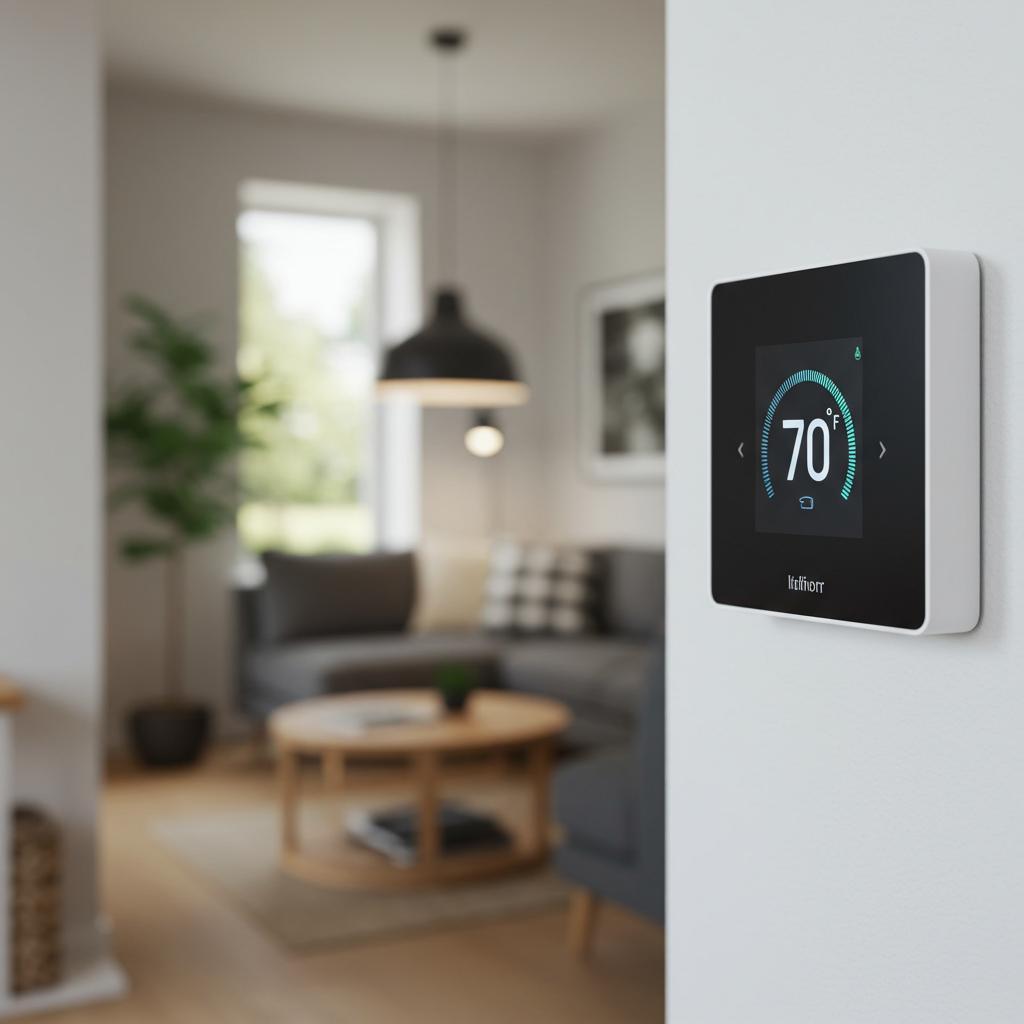
An HVAC system consists of several key components that work in tandem to ensure efficient climate control within a home. These components include a furnace, air conditioner, thermostat, and ductwork. Each part plays a vital role in the overall performance of the system.
Primarily, the furnace is essential for heating, utilizing combustion or electricity to generate warmth. The air conditioner functions as the cooling counterpart, using refrigerants to absorb heat from indoor air. The thermostat, often located in the main living area, controls the desired temperature and manages the operation of both heating and cooling equipment. Finally, ductwork serves as the distribution network, channeling conditioned air throughout the home.
What Role Do Thermostats and Ductwork Play in HVAC Control and Air Distribution?
Thermostats are critical in any HVAC system as they serve as the central control unit. Different thermostat models offer a range of features, from manual to programmable settings. By setting a desired temperature, the thermostat signals the heating or cooling system to turn on or off to maintain that temperature. The efficiency of the thermostat directly influences overall energy usage and comfort levels.
Ductwork is equally important as it is responsible for channeling heated or cooled air from the HVAC system to various rooms. Properly designed and sealed duct systems enhance air distribution efficiency, ensuring all areas of the home receive adequate heating or cooling. Any leaks or blockages can negatively impact comfort and lead to increased energy bills.
How Do Heating, Cooling, and Ventilation Processes Work Together?
The interplay among heating, cooling, and ventilation processes is vital for maintaining a comfortable indoor environment. Heating involves generating warmth from the furnace and distributing it through ductwork to ensure even temperature across the home. Conversely, the cooling process works by removing heat from the indoor air via the air conditioning unit, which circulates cool air back into the living space.
Additionally, proper ventilation is crucial as it ensures fresh air enters the home while stale air is expelled. This mix helps maintain indoor air quality and reduces humidity levels, promoting a healthier living environment. Each of these processes must work in harmony to achieve efficient home comfort.
Why Is Proper Ventilation Critical for Indoor Air Quality and System Performance?
Proper ventilation enhances indoor air quality by reducing pollutants, allergens, and humidity levels. Methods such as natural ventilation or mechanical systems (e.g., exhaust fans, supply fans) can facilitate air renewal within the home. Increased air exchange reduces the concentration of harmful contaminants and prevents the buildup of excess moisture, which can lead to mold growth and other issues.
Additionally, effective ventilation contributes to overall HVAC system performance. When a system is correctly ventilated, it does not have to work as hard to maintain comfort levels, leading to improved energy efficiency and extended system lifespan.
What Routine Maintenance Should Homeowners Perform on Their HVAC Systems?
Regular maintenance is essential for ensuring the longevity and efficiency of HVAC systems. Homeowners should perform several routine tasks to maintain their systems effectively. These include changing air filters, scheduling annual professional inspections, and cleaning the system to prevent dust build-up.
Air filters should be replaced regularly, typically every one to three months, depending on usage. Dirty filters can restrict airflow, causing the system to work harder and consume more energy. Annual inspections by HVAC professionals can identify potential issues early and ensure that components operate smoothly. Additionally, simple cleaning tasks, such as removing debris from outdoor units, can significantly enhance performance.
What Are the Basic Troubleshooting Steps for Common HVAC Issues?
Homeowners can follow basic troubleshooting steps to address common HVAC issues. First, they should check the thermostat settings to ensure it is functioning correctly, as incorrect settings can lead to heating or cooling problems. If the system is not responding, checking the circuit breaker for tripped breakers is essential.
Furthermore, if the airflow seems weak, inspecting and changing the air filter may resolve the issue.For more complicated problems that homeowners cannot fix, consulting a professional HVAC technician is advisable to avoid further damage.
How Can Homeowners Improve Energy Efficiency Through HVAC Usage?
Improving energy efficiency in HVAC usage not only reduces utility bills but also minimizes environmental impact. Homeowners can implement several strategies to enhance energy efficiency, including utilizing programmable thermostats, performing regular maintenance, and choosing energy-efficient HVAC systems.
Programmable thermostats allow for more precise temperature control, enabling homeowners to reduce energy usage when they are not at home. Furthermore, regular maintenance ensures that systems operate efficiently, preventing wasted energy. Finally, investing in energy-efficient HVAC systems can lead to substantial savings over time, as these models are designed to minimize energy consumption without sacrificing performance.
For those considering upgrading their existing HVAC setups, a detailed guide on residential HVAC retrofits can provide best practices for achieving energy efficiency and cost savings.
Residential HVAC Retrofits: Best Practices for Homeowners and Contractors
ABSTRACT: This best practices guide for residential HVAC system retrofits is aimed at contractors who want guidance on delivering energy efficient, cost effective and innovative products. It has been developed around the idea of having packages of changes to the building HVAC system and building envelope that are climate and house construction dependent. These packages include materials, procedures and equipment and are designed to remove some of the guesswork from a builder, contractor, installer or homeowner decisions about how best to carry out HVAC changes.
Best practices guide for residential HVAC Retrofits, IS Walker, 2003
Which HVAC System Features Contribute Most to Reducing Energy Consumption?
Several features significantly contribute to reducing energy consumption in HVAC systems. Smart thermostats with automation capabilities allow users to tailor heating and cooling schedules to their lifestyle, optimizing energy use. Additionally, high-efficiency air filters can improve airflow while maintaining particle capture, enhancing system performance.
Furthermore, variable-speed motors in HVAC units can adjust their operation based on the heating or cooling demand, providing comfort efficiently. Homeowners should look for these features when upgrading or replacing their systems to maximize energy savings and comfort.
What Should Homeowners Know About Air Conditioning Basics?
Understanding air conditioning basics is crucial for effective cooling performance. An air conditioning system involves various components, including the compressor, condenser, evaporator coil, and refrigerant. The compressor circulates refrigerant through the system to remove heat from indoor air, while the condenser expels this heat outside.
Choosing an air conditioning unit involves assessing factors such as size, energy efficiency ratings, and features. Proper sizing is essential for optimal performance; an oversized unit may cool the space too quickly without adequately dehumidifying it, while an undersized unit may struggle to maintain desired temperatures.
What Maintenance Practices Prolong Air Conditioner Lifespan?
Maintaining the air conditioning system is crucial for achieving longevity and performance. Regular cleaning of condenser coils helps improve efficiency by allowing heat to dissipate effectively. Additionally, checking and replacing air filters regularly ensures proper airflow, which reduces stress on the unit.
Moreover, scheduling annual tune-ups with HVAC professionals can identify potential issues before they lead to significant repairs. These practices not only extend the lifespan of the unit but also enhance its performance throughout its service life.
How Do Indoor Air Quality and HVAC Safety Impact Home Comfort?

Indoor air quality (IAQ) is a significant factor in overall home comfort. Poor IAQ can lead to health issues, allergies, and discomfort. HVAC systems play an essential role in maintaining good air quality by filtering and ventilating indoor air.
Safety is also paramount; regular checks on HVAC systems ensure that components operate within safe parameters. For example, malfunctioning furnaces or air conditioning units can produce harmful emissions or pose safety hazards like carbon monoxide leaks.
How Can Homeowners Ensure Their HVAC Systems Operate Safely?
To ensure safe operation of HVAC systems, homeowners should routinely check for signs of wear and tear, such as strange noises or odors. Installing carbon monoxide detectors can add an extra layer of safety, especially for homes with gas-powered furnaces.
Moreover, ensuring that ventilation systems are clear of blockages helps maintain safe operation. Regular inspections by qualified professionals can also identify and rectify potential hazards, ensuring that HVAC systems function correctly and safely throughout their service life.