Optimal HVAC Settings and Tips for Better Sleep Comfort
By Frost Kretsch, Frost & Kretsch Heating & Cooling Inc.
Achieving a good night’s sleep is influenced by multiple factors, with indoor environment conditions playing a crucial role. HVAC systems can significantly enhance sleep comfort by regulating temperature, humidity, and air quality. Many people struggle with sleep disruption due to improper indoor settings, which often leads to poor rest and health issues. By understanding the optimal HVAC settings and implementing specific tips, individuals can create a conducive sleeping environment. This article explores the ideal bedroom temperature, the significance of humidity control, strategies for improving indoor air quality (IAQ), the benefits of smart thermostats, noise reduction techniques, and best practices for maintaining optimal HVAC settings to promote better sleep.
What Is the Ideal Bedroom Temperature for Quality Sleep?
Creating a sleep-friendly bedroom environment starts with understanding the ideal bedroom temperature. The recommended temperature range for restful sleep typically falls between 60°F and 67°F (15.6°C to 19.4°C). This temperature range helps facilitate optimal thermoregulation during sleep, allowing the body to transition into deeper sleep stages. Maintaining a cooler environment can lower the heart rate and inhibit the production of sleep-disrupting hormones.
Which Temperature Range Promotes Deep and Restful Sleep?
Research indicates that a bedroom temperature of around 65°F (18.3°C) is most conducive to deep and restful sleep. Within this range, individuals often experience heightened melatonin production, which promotes faster sleep onset and enhanced sleep quality. Variability in personal preferences—some may prefer slightly cooler or warmer environments—suggests that individuals should fine-tune their settings while striving to stay within this optimal range.
How Do Temperature Fluctuations Affect Sleep Cycles?
Temperature fluctuations can disrupt sleep cycles by triggering physiological responses, such as sweating or shivering, that interfere with deep sleep stages. For instance, a sudden increase in temperature raises the heart rate, making it difficult to maintain comfort and quality sleep. Ensuring a consistent and appropriately cool bedroom climate helps safeguard against these disruptions, allowing individuals to experience uninterrupted sleep cycles vital to overall health.
How Does Humidity Control Improve Sleep Quality with HVAC?

Humidity levels in the bedroom directly impact sleep quality. Proper humidity control can enhance comfort and respiratory health, making an atmosphere conducive to deep and restful sleep. The ideal indoor humidity level for sleeping ideally ranges between 30% and 50%. Balancing this range can mitigate discomfort caused by dry air, which can lead to nasal congestion, or excessive humidity that can foster mold growth and allergens.
What Is the Optimal Humidity Level for Sleep Environments?
Keeping humidity within the optimal range not only ensures comfort but also impacts overall health. Low humidity levels can cause dry skin, throat irritation, and increased susceptibility to respiratory infections. Conversely, high humidity levels can contribute to an increase in allergens and respiratory distress. Monitoring and adjusting humidity levels through HVAC systems can create an ideal sleep environment, promoting better rest.
How Can HVAC Systems Regulate Humidity for Better Rest?
HVAC systems help regulate humidity through dehumidification and humidification. Modern HVAC solutions often include built-in humidifiers or dehumidifiers that automatically adjust moisture levels based on the current indoor conditions. Regular maintenance of HVAC equipment is crucial to ensure efficient operation. This includes checking filters and ensuring that humidifying elements are functioning optimally to maintain the desired humidity levels for achieving better sleep.
How to Improve Indoor Air Quality for Better Sleep Using HVAC?
Indoor air quality (IAQ) significantly influences sleep. Poor IAQ can exacerbate conditions such as asthma or allergies, which often disrupt restful sleep. Enhancing IAQ through proper HVAC practices can lead to a healthier sleeping environment. Effective strategies include adequate ventilation and filtering systems, which can help maintain cleaner air.
Which Air Filtration and Ventilation Methods Enhance Sleep Environments?
A variety of air filtration methods can enhance indoor air quality. HEPA filters effectively trap dust, allergens, and particulate matter, while activated carbon filters neutralize odors and volatile organic compounds (VOCs). Implementing these in HVAC systems can significantly reduce irritants in the air and foster a healthier sleep space.
| Filtration Method | Effectiveness | Recommended Use |
|---|---|---|
| HEPA Filters | High | Removes allergens |
| Activated Carbon Filters | Medium | Reduces odors and VOCs |
| Electrostatic Filters | Moderate | Captures fine particles |
This comparison illustrates the benefits of implementing multiple filtration methods to achieve optimal indoor air quality for better sleep.
What Are Practical HVAC Tips for Maintaining Healthy Bedroom Air?
Ensuring proper ventilation and regular HVAC maintenance can significantly enhance indoor air quality. Here are essential tips:
- Regular Filter Changes: Replace HVAC filters every 1-3 months to maintain airflow and filtration efficiency.
- Increase Ventilation: Periodically open windows or utilize exhaust fans to promote fresh air exchange.
- Use Air Purifiers: Complement HVAC systems with portable air purifiers equipped with HEPA filters to reduce airborne irritants.
- Monitor CO2 Levels: Consider using CO2 monitors to ensure optimal ventilation, as high levels can lead to sleep disturbances.
Implementing these strategies can lead to a significant improvement in sleep quality by ensuring healthier indoor air.
Can Smart Thermostats Optimize HVAC Settings to Support Sleep?
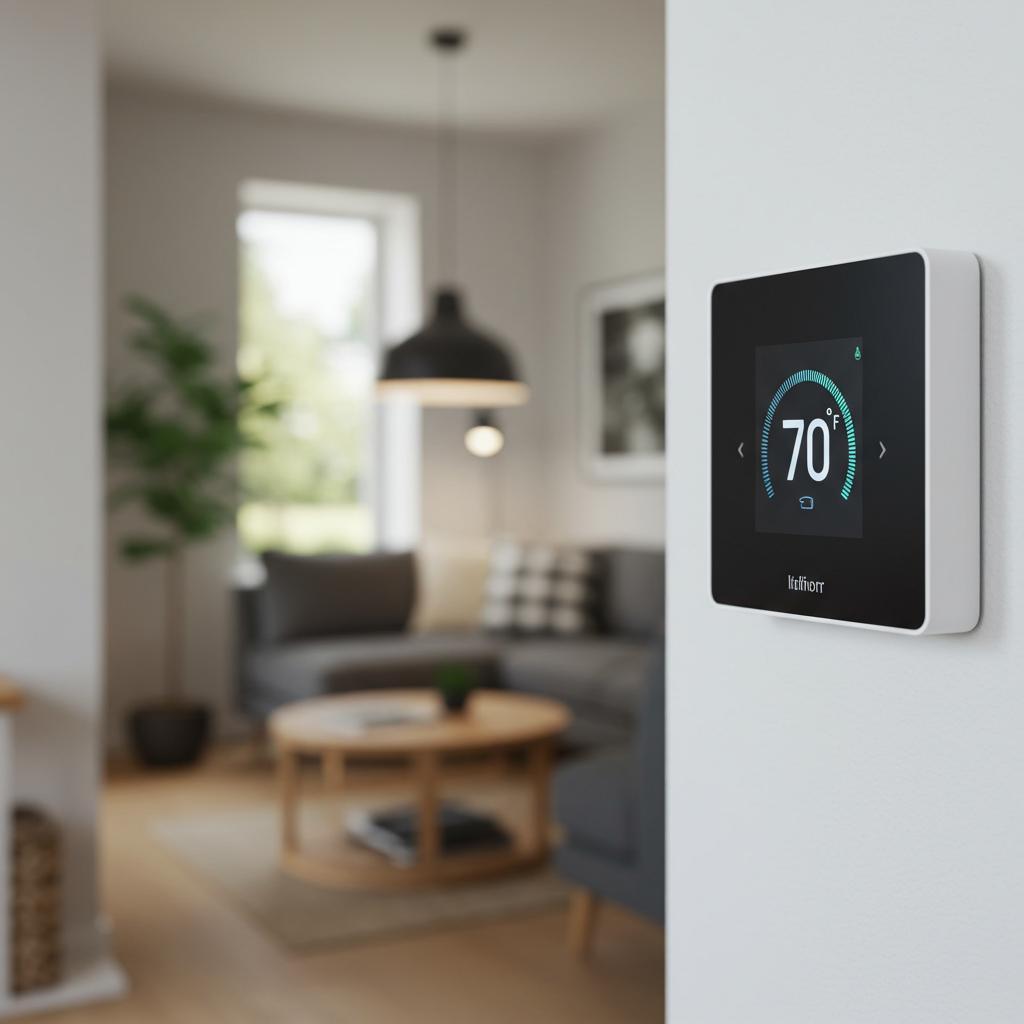
Smart thermostats have revolutionized climate control in residential settings, offering potential benefits for sleep optimization. These devices can learn optimal temperature settings for sleep and adjust accordingly throughout the night based on user habits.
Research indicates that smart thermostats can collect valuable data about household occupancy and sleep patterns.
Smart Thermostats: Evaluating Sleep Patterns and Indoor Behavior
The objective of this study is to demonstrate the use of smart home thermostat data to evaluate household sleep patterns and the time spent at home and how these behaviors are influenced by different weekdays and seasonal variations.
Usability of smart home thermostat to evaluate the impact of weekdays and seasons on sleep patterns and indoor stay: observational study, N Jalali, 2022
How Do Smart Thermostats Adjust Temperature for Sleep Stages?
Smart thermostats monitor activity levels and can be programmed to lower bedroom temperatures when users head to bed, simulating natural temperature drop processes associated with sleep onset. They can also maintain this environment throughout the night, ensuring optimal comfort during different stages of sleep.
What Are Recommended Smart Thermostat Settings for Nighttime Comfort?
For nighttime comfort, it is advisable to set smart thermostats to automatically lower the temperature to the ideal sleep range between 60°F and 67°F (15.6°C to 19.4°C) before going to bed. Seasonal adjustments throughout the year can also help maintain comfort as outdoor temperatures change, providing a continuous sleep-friendly environment.
What HVAC Noise Reduction Strategies Enhance Bedroom Sleep Quality?
Excessive noise from HVAC systems can significantly impact sleep quality, often resulting in disturbances that interrupt deep sleep cycles. Understanding noise reduction strategies can help create a quieter sleeping environment.
How Does HVAC System Noise Impact Sleep and Which Levels Are Acceptable?
Research indicates that noise levels exceeding 30-40 decibels can negatively impact sleep. This includes sounds from HVAC fans or systems cycling on and off. Strategies to maintain acceptable noise levels include ensuring proper installation and maintenance of HVAC units, which can often lead to quieter operations.
What Are Effective HVAC Design and Maintenance Tips to Minimize Noise?
Several design and maintenance practices can minimize HVAC noise in sleeping areas:
- Installation Location: Ensure that HVAC units are positioned away from bedrooms whenever possible.
- Sound Insulation: Use sound-absorbing materials around ductwork to dampen sound vibrations.
- Routine Maintenance: Regularly check for loose components and clean systems to reduce operational noise.
These maintenance tips can help keep noise levels in check, promoting a restful sleeping environment.
What Are Best Practices and Checklists for Optimizing HVAC Settings for Sleep?
Optimizing HVAC settings for sleep comfort involves implementing a series of actionable best practices. A checklist can serve as a valuable guide for homeowners seeking to enhance their sleep environment.
Which Step-by-Step Actions Ensure Consistent Sleep Comfort with HVAC?
- Set Optimal Temperatures: Regularly monitor and adjust thermostat settings to maintain a sleep-friendly range of 60°F to 67°F (15.6°C to 19.4°C).
- Control Humidity Levels: Use HVAC features to keep humidity between 30% and 50% for improved comfort.
- Enhance Air Quality: Replace filters and utilize air purifiers as needed to ensure clean air circulation.
- Reduce Noise Levels: Schedule routine maintenance and utilize sound insulation materials to minimize HVAC noise.
By implementing this checklist, individuals can consistently create a comfortable sleeping environment.
How to Monitor and Adjust HVAC for Ongoing Sleep Quality Improvements?
Continuous monitoring of HVAC settings is essential for maintaining sleep quality. Homeowners can utilize smart thermostat features to track usage patterns and adjust settings in real-time. Regular maintenance schedules should be established to ensure that systems operate efficiently, supporting ongoing efforts to enhance indoor conditions that promote better sleep.
Enhancing sleep comfort through optimal HVAC settings requires a multifaceted approach, including temperature and humidity regulation, air quality management, and noise control. By applying these strategies, individuals can create an ideal sleeping environment conducive to better health and overall well-being.