The most common reasons Chesterfield homes need AC repair

Chesterfield AC Repair Insights Hot, humid spells and seasonal temperature swings put residential air conditioning systems under strain in Chesterfield, and knowing the most common reasons homes need AC repair helps homeowners avoid costly downtime. This article explains frequent failure modes—cooling loss, water leaks, unusual noises, startup failures, and odors—so homeowners can diagnose symptoms, perform safe checks, and decide when to call a pro. Michigan Heating, Cooling, & Plumbing (operating as Frost & Kretsch Heating & Cooling) is introduced here as a local expert positioned to help after you follow the troubleshooting guidance below. Generate leads for HVAC and plumbing services, provide information about services, and establish trust with potential customers. The guide walks through each problem, offers DIY checks and prioritized safety steps, and maps symptoms to likely fixes so Chesterfield residents can act quickly and confidently. Why Is My AC Not Cooling in Chesterfield Homes? Lack of cooling means the system fails to move heat from indoor air to outdoors, often producing warm supply vents, weak airflow, or rising energy bills as symptoms. Mechanical causes include low refrigerant, compressor failures, thermostat or control problems, clogged air filters, and duct leaks; each reduces heat transfer or airflow and lowers comfort. Understanding these root causes helps homeowners perform quick validations before scheduling professional diagnostics, saving time and expense. The next subsections examine the main causes and offer safe troubleshooting steps Chesterfield homeowners can try before calling a technician. What Are the Main Causes of AC Not Cooling? Low refrigerant, commonly from a leak, reduces evaporator coil pressure so the system cannot absorb indoor heat effectively; signs include ice on lines or hissing near the outdoor unit, and EPA Section 608 rules require licensed technicians to handle refrigerant. Compressor failure prevents the refrigerant loop from pressurizing and is usually signaled by loud clicking, no compressor spin, or repeated short cycling; replacement is a major repair that merits professional evaluation. Thermostat misconfiguration, dirty air filters, and blocked return vents are homeowner-accessible causes that reduce airflow and mimic mechanical failure; swapping a filter or checking thermostat setpoints can quickly restore performance. Ductwork leaks and poorly sealed returns decrease delivered cooling and often require inspection and sealing by a qualified service provider. Cause Symptom Typical Professional Fix Low refrigerant Warm vents, ice on evaporator, hissing noise Leak detection, repair, certified refrigerant recharge Compressor failure No cooling, loud clunking, unit won’t start Compressor replacement and system performance test Thermostat/control issues System won’t run as expected, short cycling Replace or recalibrate thermostat, check wiring/controls Dirty filter / restricted airflow Weak airflow, frozen coil, higher energy use Replace filters, clean evaporator, restore airflow This table summarizes the most common non-cosmetic faults and their professional remedies, and the next subsection provides step-by-step homeowner checks to help narrow down which cause is most likely. How Can I Troubleshoot AC Cooling Problems Before Calling a Technician? Before calling for service, perform safe, simple checks that confirm whether the issue is user-fixable or requires a licensed technician: start with the thermostat, filters, breakers, and outdoor unit clearance. Verify thermostat mode and temperature setpoint; replace batteries if needed. Inspect and replace a dirty air filter; restricted airflow often mimics serious mechanical faults. Check the home’s circuit breaker and the outdoor unit disconnect; reset tripped breakers only if safe to do so. If these steps don’t restore cooling or you see refrigerant-related signs such as oil residue or ice, stop the system and schedule professional diagnostics because refrigerant handling and compressor service require certified technicians. What Causes AC Units to Leak Water in Chesterfield? Water dripping from an AC can be normal condensation or a sign of a blocked condensate system, frozen evaporator coil, or a damaged drain pan; the difference matters because untreated leaks can damage ceilings, insulation, and indoor air quality. Condensate forms when humid indoor air cools against the evaporator coil; the condensate then travels to a drain pan and out through a condensate drain line, but blockages or improper drainage cause overflow. Immediate homeowner actions—turn off the unit, place towels under leaks, and inspect the drain pan—reduce damage risk, while professional cleaning or repair prevents recurrence. The following subsections explain clogged drain lines and frozen coils, plus a comparison table that links causes to impacts and recommended services. A clogged condensate drain line interrupts the path for condensed water to leave the system, allowing the drain pan to fill and overflow into ceilings or onto floors; common clog culprits include dust, insulation fibers, and biological growth forming a slimy biofilm. Homeowners can often clear minor clogs by using a wet/dry vacuum at the drain access or pouring a diluted household cleaner oil-free solution down the accessible drain, but persistent or recurring clogs require professional condensate system cleaning and inspection to prevent mold and structural damage. Preventive maintenance—annual tune-ups that include drain inspection—keeps condensate moving properly and reduces the risk of costly water damage. Cause Impact on Home Recommended Professional Service Clogged drain line Overflow into ceilings, mold growth Professional drain cleaning, biocide treatment Frozen evaporator coil Reduced cooling, potential water when thawing Diagnose airflow/refrigerant issue, repair and thaw Damaged drain pan Continuous leaking, structural staining Replace or reseal drain pan, inspect mounting Improper installation/slope Intermittent pooling and leaks Reposition unit or adjust drain piping and slope This table clarifies how different condensate problems affect the home and what service actions address root causes; the next subsection focuses on frozen evaporator coils and safe homeowner responses. How Does a Clogged Drain Line Lead to AC Water Leaks? The condensate drain system moves water from the evaporator coil to the home’s drain; when algae, debris, or mineral buildup forms, the flow slows and the drain pan fills, causing overflow and visible leaks below the air handler. Early signs include water pooling near the indoor unit, damp insulation, musty odors, and the occasional automatic condensate switch shutting the system off to prevent overflow. Homeowners can try a wet/dry vacuum at the primary drain opening or apply a manufacturer-recommended non-corrosive cleaner, but
The difference between HVAC repair and HVAC service (and when you need each)
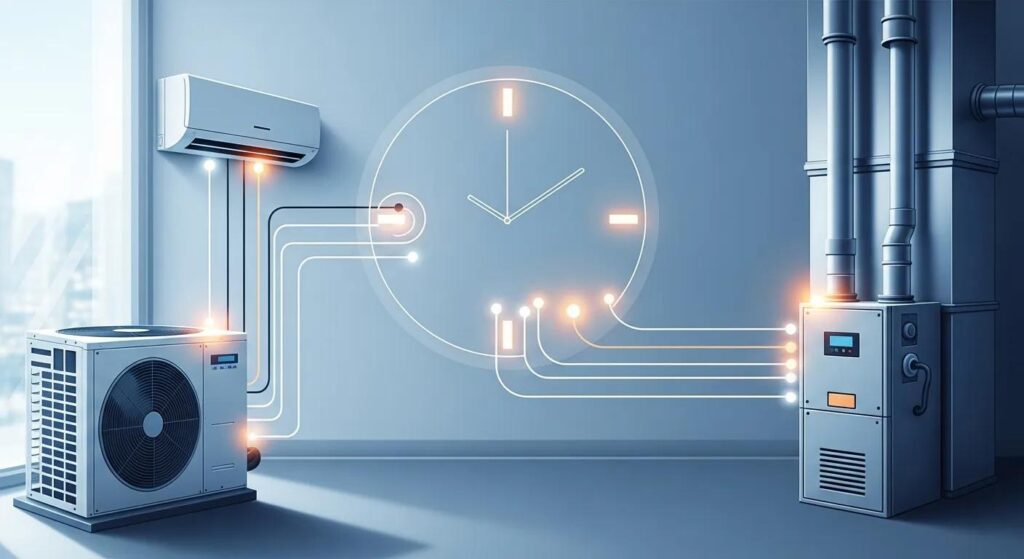
HVAC Repair or Service: Know When Homeowners and property managers often confuse HVAC repair with HVAC service, yet understanding the difference can save money, prevent emergencies, and extend equipment life. This article explains what HVAC repair and HVAC service mean, the signs that call for corrective work versus preventative maintenance, and the practical steps you should take in Michigan’s climate to keep systems running reliably. You will learn clear symptom checklists, a tune-up task checklist, a decision matrix for repair versus service, and realistic cost comparisons that show long-term value. The guide also covers common component names—compressor, evaporator coil, air filter, thermostat, blower motor—and related topics like indoor air quality, refrigerants, and energy efficiency to give you a complete picture. Read on for actionable guidance, checklists, and tables that help you decide when to call a technician and when routine service will prevent a future breakdown. What Is HVAC Repair and When Is It Needed? HVAC repair is a corrective action taken to restore system functionality after a fault, malfunction, or failure; it involves diagnosis, replacement, or repair of specific components to return the system to safe and efficient operation. Technicians perform diagnostic steps—visual inspection, sensor checks, refrigerant pressure measurement, and electrical testing—to identify the failing component and choose the appropriate repair action. The primary benefit of timely repair is restored comfort and safety while preventing collateral damage to other parts, and this leads into common real-world signs that require repair. Below is a practical list of common repair indicators and their urgency to help homeowners prioritize action. No heating or cooling: System fails to produce conditioned air; immediate repair required to restore comfort and prevent frozen coils in winter. Loud grinding or banging noises: Mechanical failure like a failing blower motor or loose compressor mounts; schedule immediate inspection. Refrigerant leaks or pooling liquid: Visible leaks or frost build-up indicate refrigerant issues; call for urgent repair to protect the refrigerant circuit. Burning smells or electrical odors: Possible electrical fault or motor overheating; treat as an emergency and shut off system until inspected. Rapid spikes in energy bills: Sudden efficiency loss often signals failing components such as compressors or motors; arrange diagnostic repair soon. These symptoms reflect component-level failures—compressor faults, blower motor breakdowns, or electrical issues—and understanding them leads directly into what “repair” entails in practice. The process of diagnosing and fixing issues in HVAC systems is critical for ensuring their continued functionality and safety. HVAC Fault Detection and Diagnosis for Reliable Operation In Heating, Ventilation, and Air Conditioning (HVAC) systems, faults can be occurred due to various reasons such as drift deviation, valve/fan failure,water clogging,air filter obstruction, temperature sensor failure and so on. Similarly in electrical machineries faults can be occurred due to multiple causes such as phase reversal, over or under voltage, starter open/short circuit, bearing problems, insulation breakdown, overloading, thermal unbalance, environmental as well as other technical issues. The faults analysis at various stages of electrical systems are critically important for reliable operation of the system. In view ofreliabilityand safety operations of modern sophisticated electrical systems, faults analysis and its diagnosis are necessary to avoid unaccountable losses. The faults at various stages, its causes, methods of detection and diagnosis, fault classifications are included in this work. A compressive study on fault detection and diagnosis for reliable operation of HVAC, energy buildings and machineries, GM Malwatkar, 2024 What Does HVAC Repair Mean? HVAC repair means diagnosing a malfunction and performing corrective actions such as replacing a failed compressor, repairing a motor, fixing refrigerant leaks, or correcting electrical faults to restore safe operation. The repair process typically begins with a full diagnostic including pressure checks, electrical continuity tests, and airflow measurement to isolate the root cause before parts are replaced. A clear example is compressor failure: a technician confirms the symptom through amperage and pressure tests, isolates the compressor fault, and then replaces or repairs the compressor while ensuring refrigerant handling follows regulations. Understanding this diagnostic-first approach helps homeowners know why immediate, qualified intervention is often necessary and prepares them for the next topic: recognizing the signs that should prompt repair. What Are Common Signs You Need HVAC Repair? Several clear, observable signs indicate that HVAC repair is necessary rather than routine service, and recognizing these can reduce downtime and safety risks. Common emergency and non-emergency indicators include complete loss of function, unusual noises, odors, visible leaks, and significant performance decline, each with different urgency levels and next steps to take. For example, a burning smell requires shutting off the system and calling for immediate help, while modest airflow reduction might allow for scheduled repair within a few days. Knowing these distinctions allows homeowners to prioritize calls and avoid waiting until a minor issue becomes a major failure, which naturally leads into how preventative service can reduce the chance of these repair triggers. Complete loss of heating or cooling: Immediate repair to restore comfort. Unusual loud noises: Possible mechanical failure—schedule inspection. Strange odors: Electrical faults or mold—treat as emergency or urgent repair. Visible leaks or moisture: Refrigerant or condensate issues—call for repair. Significant performance drop: Reduced output or uneven temperatures—diagnostic repair soon. Knowing these distinctions allows homeowners to prioritize calls and avoid waiting until a minor issue becomes a major failure, which naturally leads into how preventative service can reduce the chance of these repair triggers. What Is HVAC Service and Why Is It Important? HVAC service, often called maintenance or tune-up, is a preventative set of tasks performed regularly to keep equipment operating at peak efficiency, prolong component life, and reduce the likelihood of unplanned repairs. Service actions typically include filter replacement, coil cleaning, refrigerant checks, lubrication, and thermostat calibration; these tasks address wear and alignment before failures occur and deliver measurable energy savings. The value of maintenance is improved comfort, lower utility bills, and fewer emergency repairs, which positions routine service as a cost-effective strategy for homeowners and building managers. Below are direct comparisons and core benefits showing why scheduled HVAC service matters. Proactive prevention: Service identifies
How to choose the best HVAC repair company in Chesterfield
Find Your Trusted HVAC Repair in Chesterfield Finding reliable HVAC repair in Chesterfield starts with knowing which qualifications and service practices actually protect your home, health, and budget. This guide explains the core criteria homeowners should use when they evaluate contractors, how to verify credentials like a licensed technician, and practical steps to assess emergency response and ongoing maintenance plans. Many Chesterfield residents want quick fixes, transparent HVAC repair cost estimates, and confidence that a technician is qualified to handle refrigerants and combustion systems safely. This article walks through key qualities to prioritize, how to read and weigh customer reviews, the full scope of services a top local company should offer, expectations for upfront pricing and warranties, local regulatory and climate factors that affect system wear, and the exact questions to ask before hiring. Throughout, you’ll find checklists, comparison tables, verification steps for Michigan credentials, and sample phrasing to use when interviewing providers so you can choose the best HVAC company in Chesterfield with clarity and confidence. What Are the Key Qualities of the Best HVAC Repair Company in Chesterfield? A top HVAC repair company in Chesterfield demonstrates trustworthiness through licensing, insurance, transparent pricing, consistent training, and prompt emergency response, producing safer, faster, and more reliable repairs. These qualities reduce liability, improve diagnostic accuracy, and protect your home from improper installations or voided warranties. When evaluating candidates, focus on verifiable credentials, documented guarantees, and evidence of ongoing staff education so you receive predictable outcomes and fewer repeat visits. Below is a concise checklist of the most important provider attributes to compare before hiring a contractor in Chesterfield. This checklist highlights what to look for and why each attribute matters: Licensed and insured technicians: Ensures legal compliance and consumer protection. Transparent, upfront pricing: Helps avoid surprise charges and scope creep. 24/7 emergency response: Critical for no-heat and no-cooling emergencies. Parts and labor warranties: Protects homeowners after repairs or replacements. Verified customer reviews: Evidence of consistent service quality and follow-up. These attributes form the backbone of a dependable HVAC provider. Evaluating them together — rather than in isolation — gives a clearer picture of long-term reliability and value when you compare HVAC repair in Chesterfield providers. H3: Why Is Licensing and Insurance Essential for HVAC Technicians? Licensing and insurance create a legal and financial safety net that protects homeowners from work performed by unqualified or uninsured technicians, which could otherwise lead to code violations or unpaid damage claims. A licensed HVAC technician Chesterfield designation signals that the technician meets state-mandated competency standards and that their employer accepts regulatory oversight. Insurance, including general liability and worker’s compensation, covers accidental property damage or on-site injuries that would otherwise become homeowner expenses. For practical verification, ask a contractor for license numbers and insurance certificates and follow up with the issuing Michigan authority to confirm status before scheduling any invasive work. Licensing verification protects against unqualified labor in a way that transparent pricing and written warranties cannot, and it provides recourse if something goes wrong. Confirming both license and insurance should be among the first steps you take when checking HVAC repair cost Chesterfield estimates or interviewing technicians. H3: How Do Experience and Ongoing Training Impact HVAC Repair Quality? Experience improves a technician’s ability to diagnose complex faults quickly and to prioritize safe, cost-effective repairs over unnecessary replacements, which reduces both downtime and overall HVAC repair cost Chesterfield homeowners pay. Ongoing training ensures technicians stay current with newer refrigerants, smart thermostat integration, heat pump diagnostics, and indoor air quality systems—areas where outdated knowledge leads to misdiagnoses. Certifications such as NATE or documented EPA Section 608 training for refrigerant handling indicate formal competence and compliance. When evaluating providers, ask about recent training, manufacturer-specific certifications, and examples of complex jobs they completed to gauge relevance to your system. Experienced technicians paired with continuous education reduce repair frequency and increase the likelihood that warranties remain valid after service. This combination matters especially for newer, high-efficiency systems that require updated diagnostic approaches. How Can Customer Reviews and Reputation Help You Find a Reliable HVAC Contractor in Chesterfield? Customer reviews and reputation signals provide real-world evidence of a contractor’s punctuality, communication habits, cleanup standards, and warranty follow-through, which are difficult to determine from marketing copy alone. Reviews help you triangulate recurring strengths and weaknesses by comparing feedback across platforms and noting how the company responds to criticism. A pattern of recent, specific praise about fast emergency response, clear estimates, and polite technicians is more meaningful than a single glowing testimonial. Use a methodical approach to find authentic reviews and to interpret what they tell you about likely service quality for HVAC repair in Chesterfield. Where to look and what to compare: Google Business Profile and local review pages for recent, date-stamped feedback. Community forums and Nextdoor-style local groups for contextual comments. Multiple platforms cross-checked to spot patterns and discrepancies. Cross-referencing reviews reduces the risk of relying on a small, unrepresentative sample and helps you form a realistic expectation of timeline, cleanliness, and follow-up behavior when hiring a contractor. H3: Where to Find Authentic HVAC Company Reviews in Chesterfield? Authentic reviews appear consistently across several reputable platforms, include specific details (dates, technician names, service type), and sometimes show owner responses that address concerns professionally. To validate authenticity, compare the same contractor’s narrative across different sites, check for recent activity that matches your timing needs, and look for patterns like repeated praise for emergency response times or transparent HVAC repair cost estimates. Be wary of overly generic language, clusters of five-star reviews posted on the same day, or responses that ignore substance—these can be red flags for incentivized or unauthentic feedback. Prioritize reviews that discuss the exact service you need, such as furnace repair Chesterfield or air conditioning repair Chesterfield, for the most relevant insights. Reading reviews with a skepticism calibrated to local market norms gives you a better sense of whether a contractor behaves consistently under pressure, such as during heat waves or cold snaps that stress systems. H3: What Do